
Source: Go Tokyo
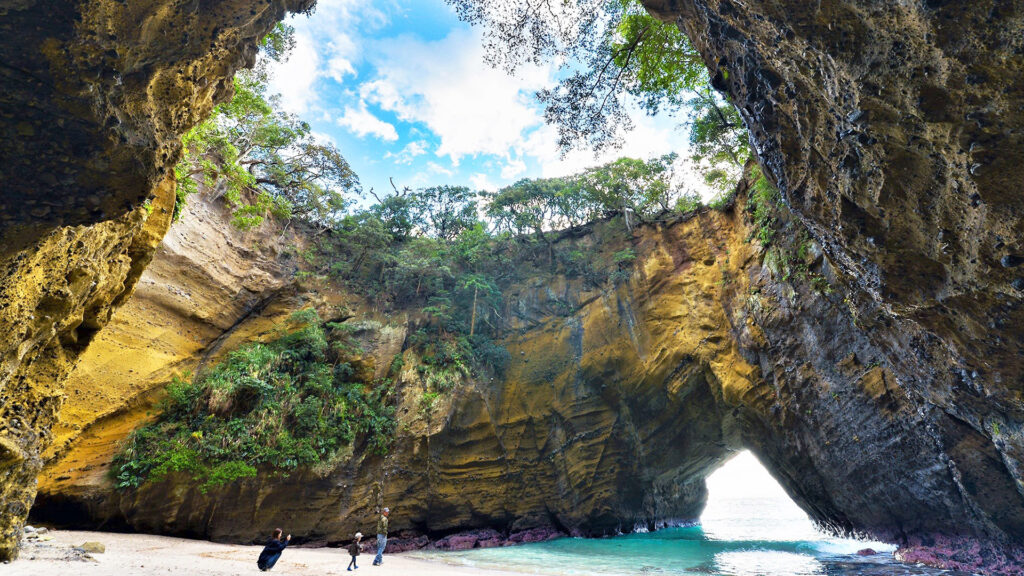
Shimoda, located at the southern tip of the Izu Peninsula in Shizuoka Prefecture, is one of Japan’s most historically significant and scenically stunning destinations. Known as the city where the Japan–US Treaty of Amity was signed in 1854, Shimoda blends deep history with pristine beaches, fresh seafood, and relaxing hot springs.
This guide covers everything a first-time foreign visitor needs to know — from how to get there and what to see, to beaches, food, and the best time to visit. Read through to the end so you can explore Shimoda with complete confidence.
CONTENTS
- How to Get to Shimoda from Tokyo
- Top Sightseeing Spots in Shimoda
- Shimoda’s Best Beaches
- Hot Springs (Onsen) in Shimoda
- What to Eat in Shimoda|Local Food Guide
- Best Time to Visit Shimoda
- Wi-Fi, eSIM & Staying Connected in Shimoda
- Summary|Everything You Need for a Perfect Shimoda Trip
How to Get to Shimoda from Tokyo
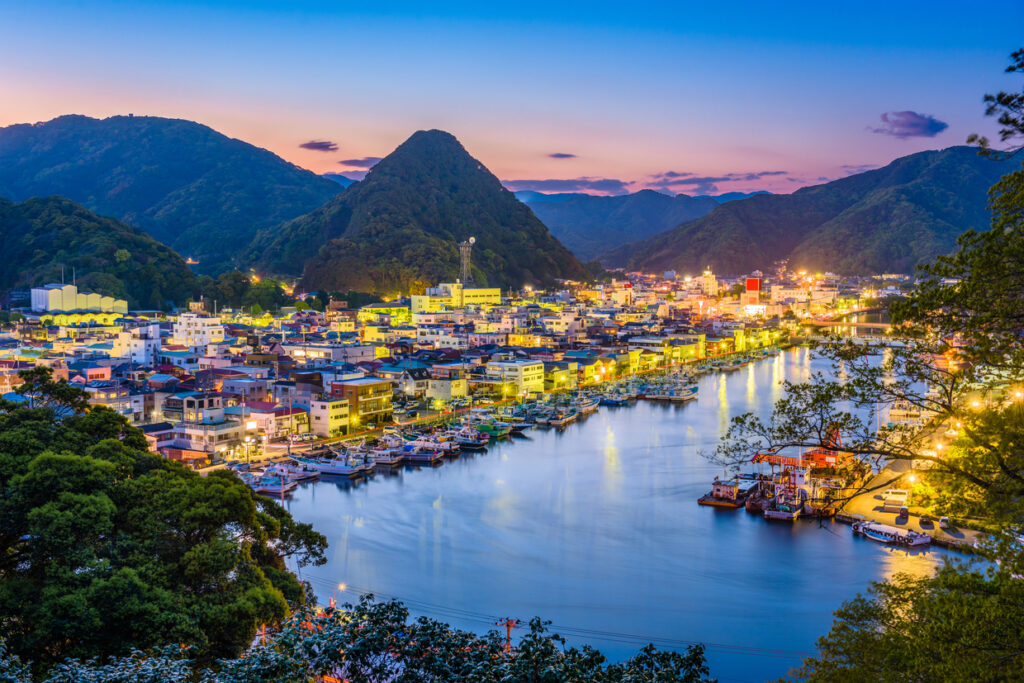
Shimoda is accessible from Tokyo in approximately 2.5 to 3 hours, making it a realistic destination for both weekend getaways and extended stays. There are two primary options for getting there.
Option 1: Shinkansen + Izu Kyuko Line (Budget-Friendly)
Take the Tokaido Shinkansen (Kodama) from Tokyo Station to Atami Station (approx. 45 min), then transfer to the Izu Kyuko Line bound for Shimoda (approx. 80 min). The scenic coastal views from the Izu Kyuko Line are part of the experience — don’t miss them.
Option 2: Limited Express “Odoriko” (Direct, No Transfer)
The Limited Express Odoriko runs directly from Tokyo Station to Shimoda Station with no transfers required, taking approximately 2 hours 30 minutes. This is the most convenient option for those carrying luggage or traveling with elderly passengers. Advance seat reservation is recommended, especially on weekends and holidays.
Important note for Japan Rail Pass holders: The JR portion of the journey (up to Ito Station) is covered, but the Izu Kyuko Line section (Ito → Shimoda) requires a separate fare of approximately ¥1,760 one way. Factor this into your budget planning.
Top Sightseeing Spots in Shimoda
Shimoda offers a compact but deeply rewarding sightseeing circuit. The main attractions are within walking distance or a short bus/taxi ride from Shimoda Station, making it easy to navigate even without a car.
1. Perry Road
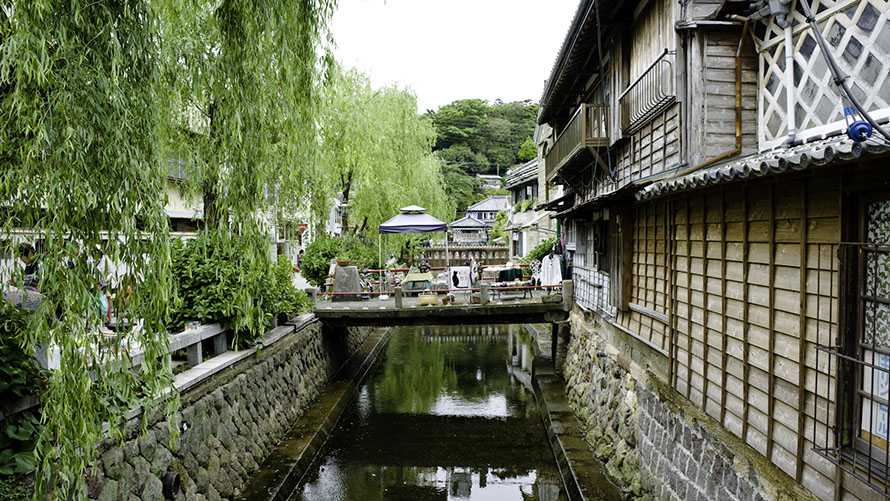
Perry Road is the most iconic street in Shimoda — a picturesque cobblestone path lined with weeping willow trees and traditional stone-walled buildings. The road follows the route that Commodore Matthew Perry walked in 1854 during negotiations that ended Japan’s period of isolation. Today, the street is home to charming cafes, boutiques, and galleries. The atmosphere is especially magical in the early morning before the crowds arrive. Entry is free and the area is walkable year-round.
2. Ryosenji Temple & the Black Ship Museum
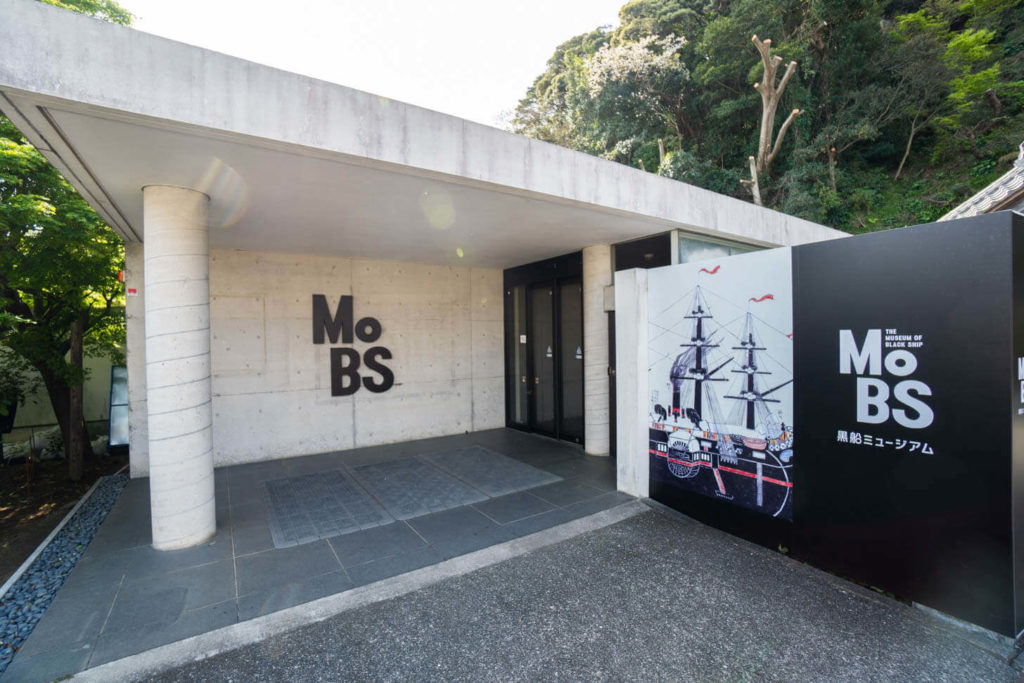
Ryosenji Temple is the historic site where the Convention of Kanagawa was signed between Japan and the United States in 1854 — a pivotal moment in modern Japanese history. The temple grounds are serene and beautiful, featuring a traditional Japanese garden and a museum displaying artifacts from the Perry expedition era. Adjacent to the temple, the Museum of Black Ships (MoBS) houses over 3,000 items related to Japan’s opening to the West. Admission to the temple museum is approximately ¥500.
3. Nesugata-yama Ropeway & Summit
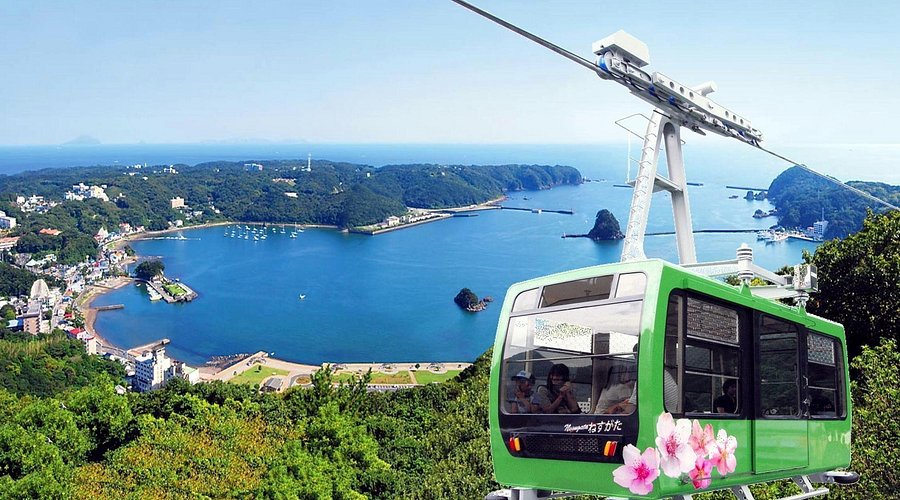
A short ropeway ride from near Shimoda Station takes you to the top of Nesugata-yama (271m), where panoramic views of Shimoda Bay and the Pacific coastline await. On clear days, the view is extraordinary. The ropeway operates frequently and the round trip takes only about 30 minutes, making it a highly recommended stop even for those with limited time. Round-trip fare is approximately ¥1,000 for adults.
Shimoda’s Best Beaches
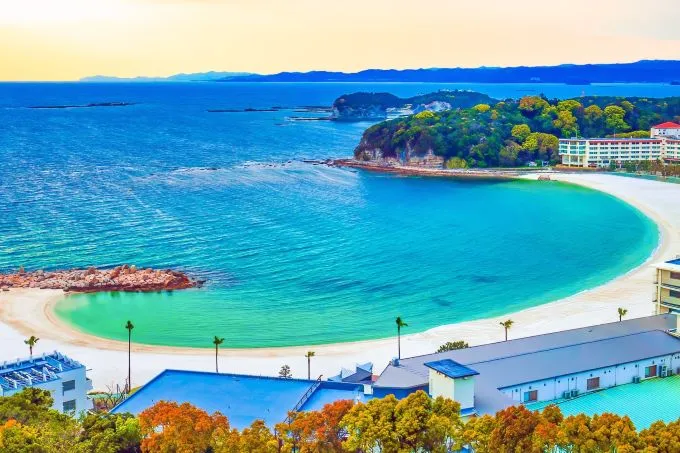
Shimoda’s beaches are among the finest in the Kanto region, attracting visitors for their unusually clear, turquoise water and white sand — a rarity for beaches within easy reach of Tokyo.
Shirahama Beach is the most famous of Shimoda’s beaches, stretching approximately 700 meters with fine white sand and calm water ideal for swimming. Lifeguards are on duty during the official beach season (typically mid-July to late August). Beach facilities including showers, rental equipment, and beachside restaurants are available during this period. Access is by bus from Shimoda Station (approx. 10–15 minutes, ¥400 one way).
Tatadohama Beach is a favorite among surfers and those seeking a more relaxed atmosphere. The consistent waves make it a popular surf spot year-round, and the beach retains a laid-back, local feel. Even outside of surf season, the scenery is well worth a visit.
Note that outside of the official swimming season, lifeguards are not present and swimming may be restricted. Always check local conditions before entering the water.
Hot Springs (Onsen) in Shimoda
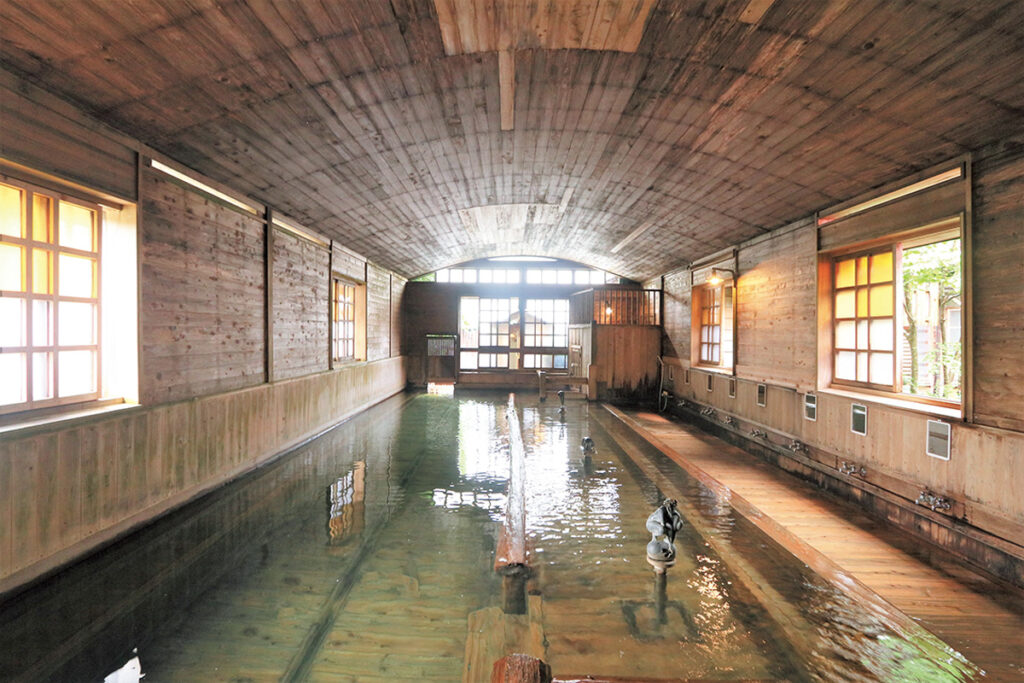
Shimoda and the surrounding Izu Peninsula are famous throughout Japan for their high-quality hot springs. After a day of sightseeing or a beach visit, soaking in a natural onsen is an essential part of the Shimoda experience.
Many hotels and ryokan (traditional Japanese inns) in the area have their own private hot spring baths. For those not staying at a hot-spring property, several facilities offer day-use onsen bathing for a fee of approximately ¥500–¥1,500. Shimoda Onsen is characterized by its sodium chloride spring waters, known to warm the body deeply and improve circulation.
Etiquette reminder: Most onsen in Japan require bathers to be fully unclothed and to wash thoroughly before entering the communal bath. Tattoos may restrict entry at some facilities — it is advisable to check the policy beforehand if this applies to you.
What to Eat in Shimoda|Local Food Guide
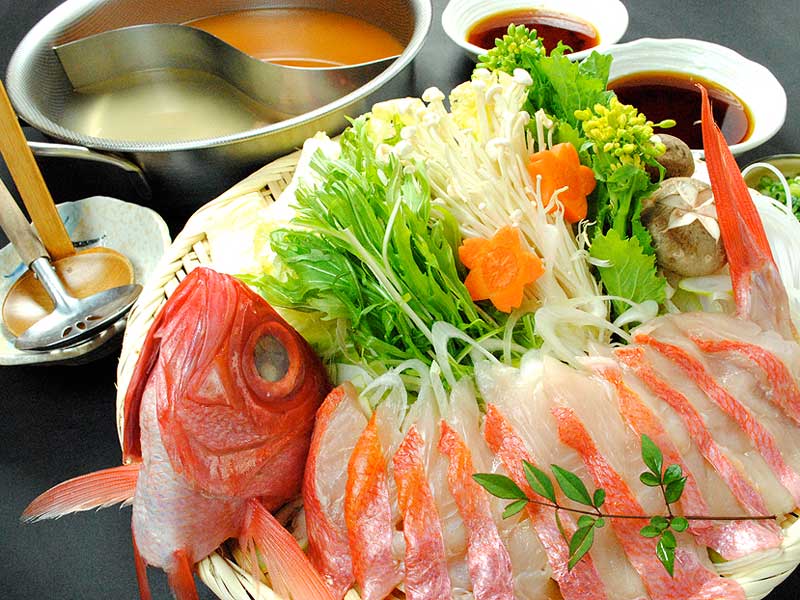
Shimoda is a fishing port town, and its food culture reflects this heritage. Fresh seafood is the undisputed highlight, and first-time visitors should make it a priority.
Kinmedai (Splendid Alfonsino) is Shimoda’s signature fish and appears across every menu in the city — as sashimi, braised in soy-based sauce (nitsuke), or grilled. The rich, fatty flesh of locally caught Kinmedai has a national reputation for quality. Many restaurants along the waterfront and near Perry Road serve it fresh daily.
Kaisendon — a bowl of rice topped with assorted fresh sashimi — is a staple lunch option available at numerous restaurants near the port. Prices typically range from ¥1,500 to ¥3,000 depending on the selection and portion size.
For a lighter option, cafes and restaurants along Perry Road offer a relaxed, casual dining experience ideal for a mid-morning coffee break between sightseeing stops. Cash is still the primary payment method at smaller local restaurants and food stalls. Carry at least ¥5,000 to ¥10,000 in cash per day, especially if dining away from the main tourist areas.
Best Time to Visit Shimoda
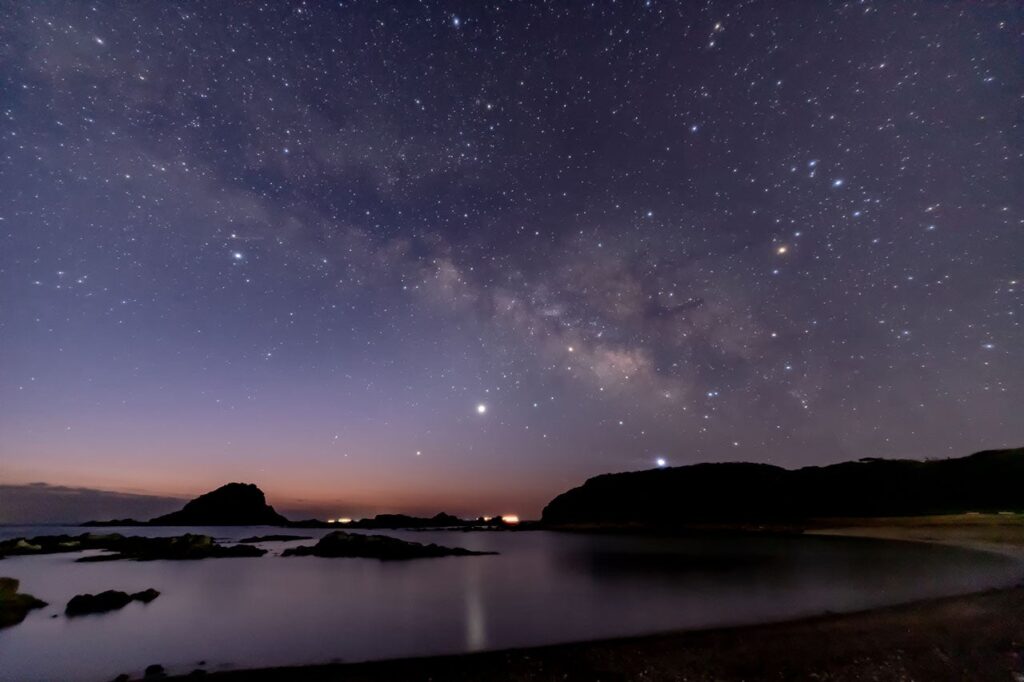
Shimoda can be enjoyed year-round, but each season offers a meaningfully different experience.
Spring (March–May) is one of the most popular times to visit. Cherry blossoms typically peak in late March to early April, and the Shimoda Black Ship Festival — held every May to commemorate Commodore Perry’s arrival — draws large crowds and offers parades, fireworks, and cultural events. Temperatures are mild and comfortable for walking.
Summer (July–August) is beach season. Shirahama and Tatadohama beaches are at their most vibrant, with swimming, surfing, and waterfront dining in full swing. Note that accommodation prices peak during this period and advance booking is strongly recommended.
Autumn (September–November) offers pleasant temperatures, fewer tourists, and lower prices — ideal for history-focused sightseeing and onsen relaxation.
Winter (December–February) is the quietest season, with significantly reduced crowds and the most affordable accommodation rates. While beaches are off-limits for swimming, the hot springs are at their most enjoyable, and clear winter days often offer the best visibility from the Nesugata-yama summit. A minimum stay of 2 nights is recommended to fully appreciate Shimoda’s diverse attractions regardless of season.
Wi-Fi, eSIM & Staying Connected in Shimoda
Staying connected in Shimoda is important, as many attractions — beaches, trails, and historical sites — are spread across the area and navigating them without internet access can be inconvenient.
For foreign visitors, we recommend using an eSIM service such as Ubigi before arriving in Japan. An eSIM activates immediately upon arrival, requires no physical card swap, and allows you to select a data plan suited to your trip length. This is particularly practical for Shimoda, where free public Wi-Fi coverage outside of hotels and major facilities is limited.
Alternatively, a pocket Wi-Fi device allows multiple devices to share a single connection — useful for group travel — but requires carrying and charging an additional device and returning it before departure.
Google Maps is essential for navigating Shimoda’s bus routes, walking paths, and coastal roads. Download offline maps for the Shimoda area before departing your accommodation each day, as mobile signal can be intermittent along coastal trails and in mountainous areas of the Izu Peninsula.
Summary|Everything You Need for a Perfect Shimoda Trip
Shimoda offers a rare combination that few destinations in Japan can match: authentic history, world-class beaches, excellent seafood, and relaxing hot springs — all within comfortable reach of Tokyo.
By preparing the basics in advance — knowing how to get there, which spots to prioritize, what to eat, and when to visit — you can enjoy Shimoda with confidence and without unexpected inconveniences. Whether your goal is cultural exploration along Perry Road, a summer beach holiday at Shirahama, or a quiet onsen retreat in winter, Shimoda adapts beautifully to any travel style.
We recommend revisiting this guide once more the night before your trip to confirm transportation, check beach or festival schedules if applicable, and ensure you have sufficient cash for local restaurants and smaller establishments.
Shimoda is waiting — and it rewards those who come prepared.

コメント