
Source: VELTRA
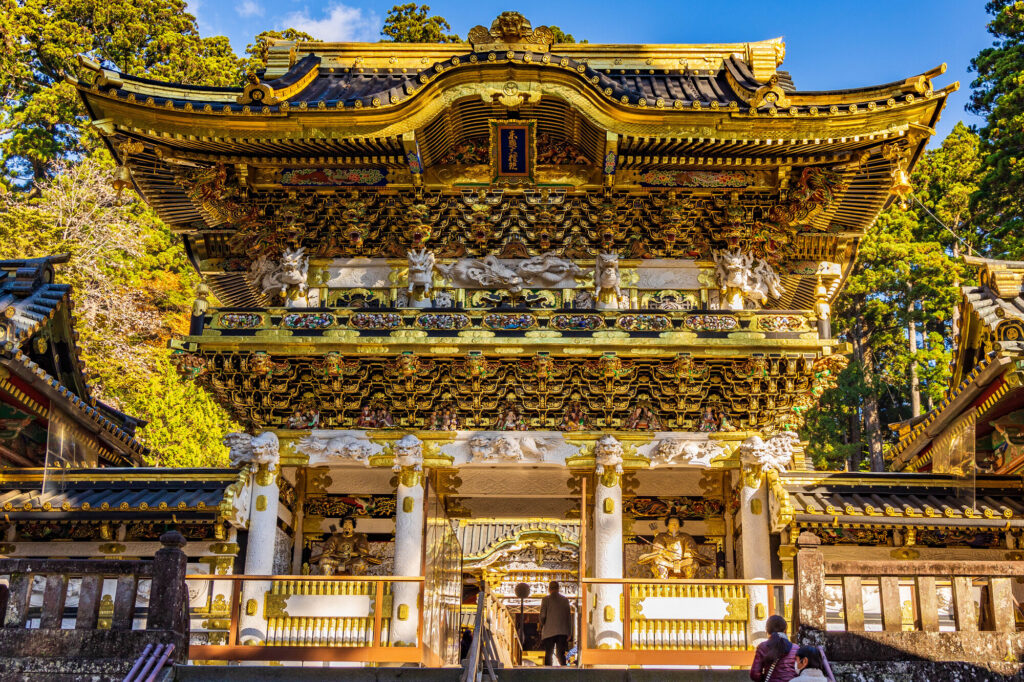
Nikko, located in Tochigi Prefecture approximately 140 kilometers north of Tokyo, is one of Japan’s most ornate and historically significant UNESCO World Heritage destinations. The mountain town is home to the extravagantly decorated Toshogu Shrine — the mausoleum of Tokugawa Ieyasu, founder of the Tokugawa shogunate — as well as extraordinary waterfalls, mountain lakes, and some of the finest autumn foliage in the Kanto region.
This guide covers everything a first-time foreign visitor needs for a perfect Nikko day trip or overnight stay.
CONTENTS
- How to Get to Nikko from Tokyo
- The Nikko Pass — Best Value for Visitors
- Top Sightseeing Spots in Nikko
- Best Time to Visit Nikko
- What to Eat in Nikko
- Wi-Fi, eSIM & Staying Connected
- Summary|Planning Your Nikko Trip
How to Get to Nikko from Tokyo
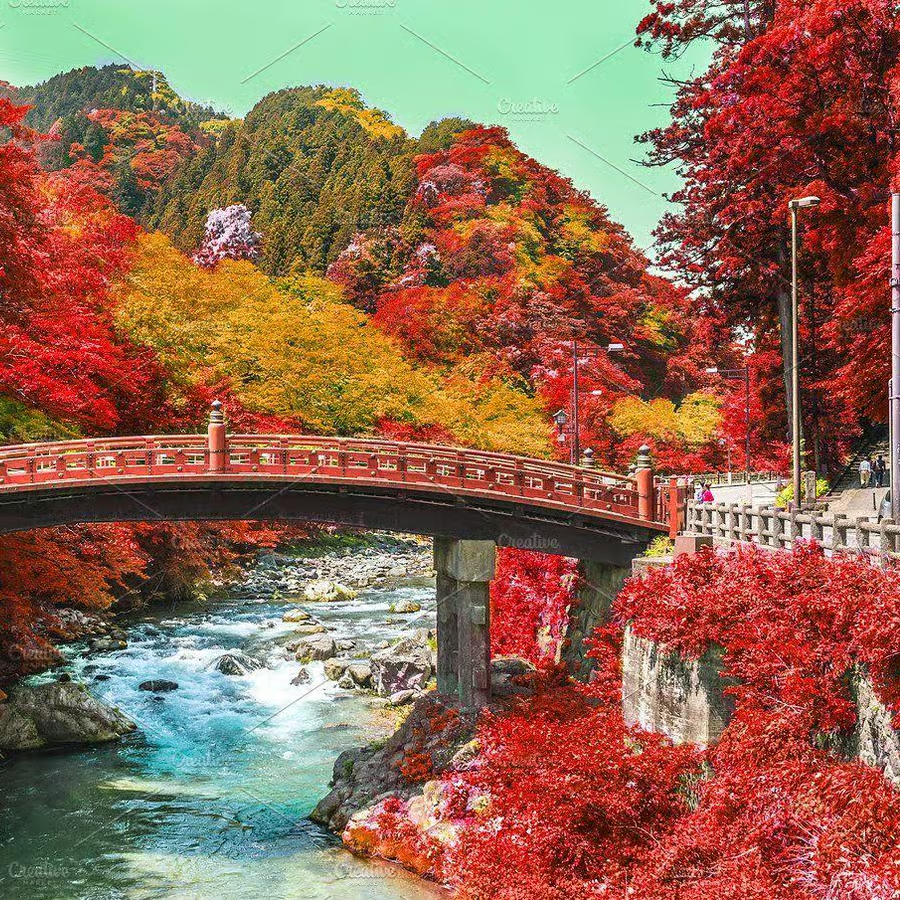
Nikko is served by two railway options from Tokyo, each with different advantages depending on your departure point and pass usage.
Option 1: Tobu Nikko Line from Asakusa (Most Convenient)
The Tobu Spacia limited express runs from Tobu-Asakusa Station (central Tokyo) directly to Tobu-Nikko Station in approximately 2 hours (¥2,720 including reserved seat supplement). This is the most direct route with no transfers and is easily combined with a morning visit to Asakusa before departure. Slower local services take approximately 2.5 hours for ¥1,360.
Option 2: JR from Shinjuku/Ueno
Take the JR Tohoku Shinkansen from Ueno or Tokyo Station to Utsunomiya (approx. 50 min, JR Pass-covered), then transfer to the JR Nikko Line to Nikko Station (45 min, ¥760). Total journey: approximately 1.5–2 hours. JR Pass holders benefit significantly from this route.
The Nikko Pass — Best Value for Visitors
Source: livejapan.com
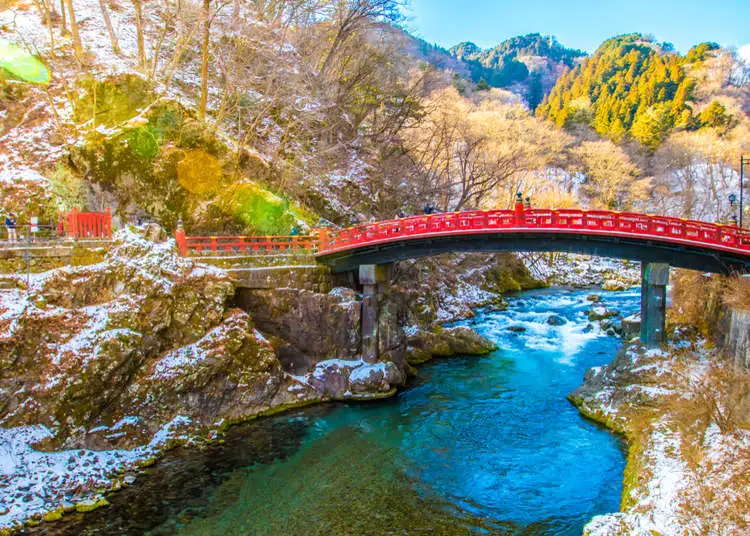
The Nikko All Area Pass (Tobu, 4 days, ¥4,780 from Asakusa) provides unlimited travel on Tobu Nikko Line trains plus unlimited use of local buses throughout the Nikko area — essential for reaching Lake Chuzenji and Kegon Falls. For JR users, the Nikko Pass World Heritage Area (2 days, ¥2,000 from Nikko Station) covers local buses only.
The Tobu All Area Pass is particularly valuable as Nikko’s major attractions are spread across a significant geographic area — from the shrine complex in town to the lake and waterfall area accessed by a winding mountain road bus route. Without the pass, bus fares accumulate quickly.
Top Sightseeing Spots in Nikko
1. Toshogu Shrine
Source: livejapan.com
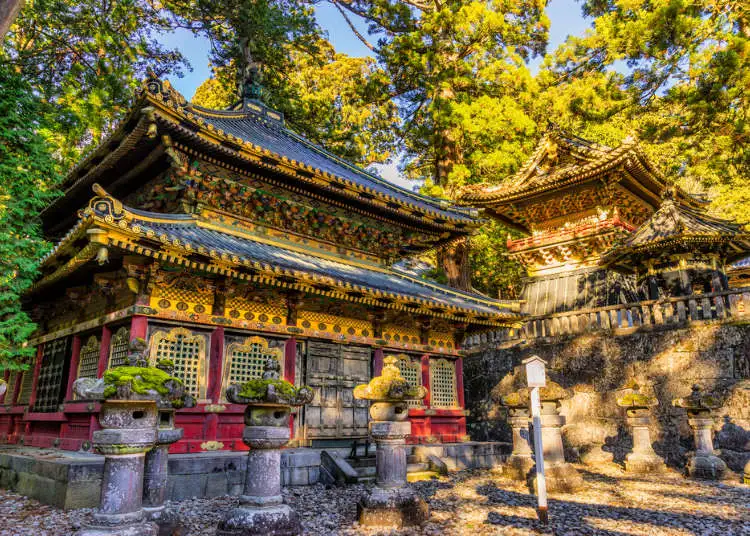
Toshogu is the most spectacular of Nikko’s UNESCO-listed shrines and temples — an extraordinary complex of 55 buildings decorated with intricate wood carvings, gold leaf, and polychrome lacquer that took 15,000 craftsmen two years to complete in 1636. Key highlights include the Yomeimon Gate (so elaborately decorated it is said to take a day to fully examine), the famous “Hear no evil, See no evil, Speak no evil” monkey carvings, and the Sleeping Cat (Nemuri-neko) above the entrance to Ieyasu’s mausoleum. The inner mausoleum climb through cryptomeria forest is particularly atmospheric. Admission is ¥1,300 for adults; add ¥520 for access to the inner shrine.
2. Kegon Falls & Lake Chuzenji
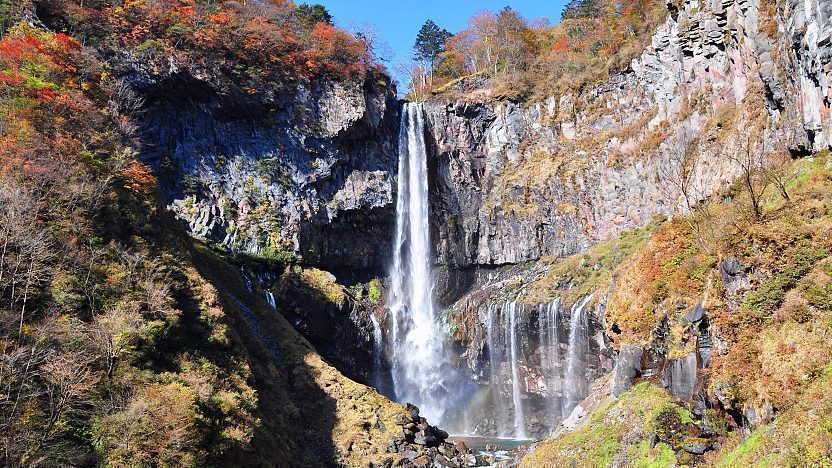
Kegon Falls is Japan’s most famous waterfall — a 97-meter plunge fed by the outflow of Lake Chuzenji. An elevator descends to an observation platform at the base (¥570), offering a direct view of the falls and the surrounding cliffs. Lake Chuzenji above the falls is a scenic mountain lake at 1,269 meters elevation, surrounded by peaks and accessible by a winding switchback road (the Irohazaka). The lake shore area has walking paths, boating, and restaurants. Access is by bus from Nikko Station (approximately 40 minutes).
3. Rinnoji Temple
Source: Meguri Travel Guide
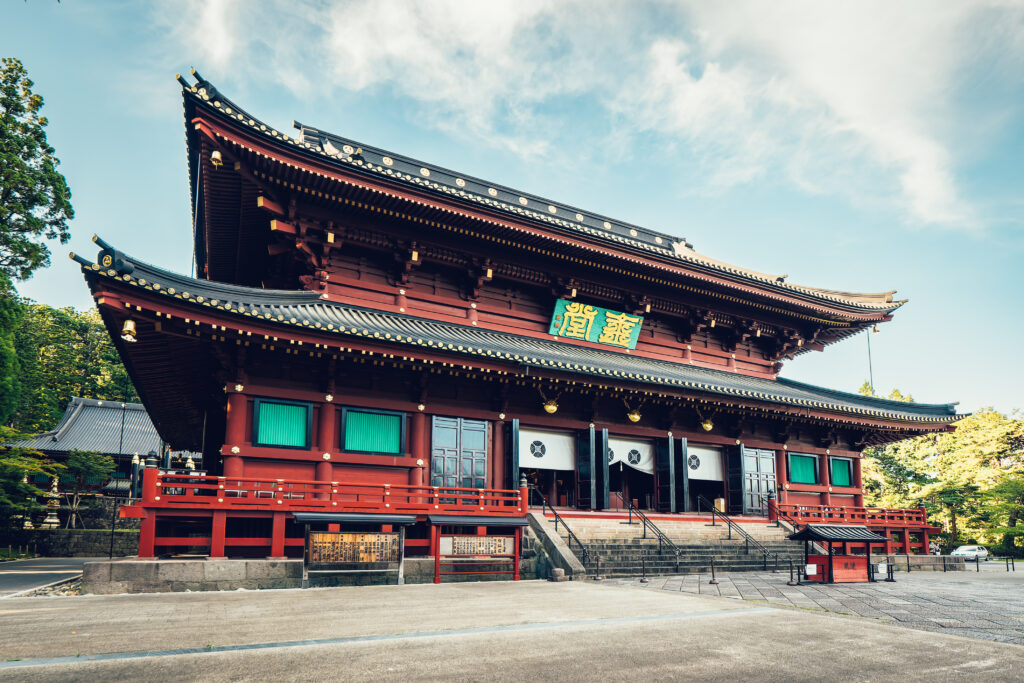
Rinnoji is a Tendai Buddhist temple complex at the entrance to the Nikko shrine area, housing three large gilded statues of the Amida Buddha and associated deities in the main hall (Sanbutsudo). The adjacent Shoyo-en garden is a beautiful strolling garden, particularly fine in autumn foliage season. The combined admission (temple + garden) is ¥900.
Best Time to Visit Nikko
Source: Best One Bus Tour
Nikko’s mountain location gives it distinct seasonal character that significantly affects the experience.
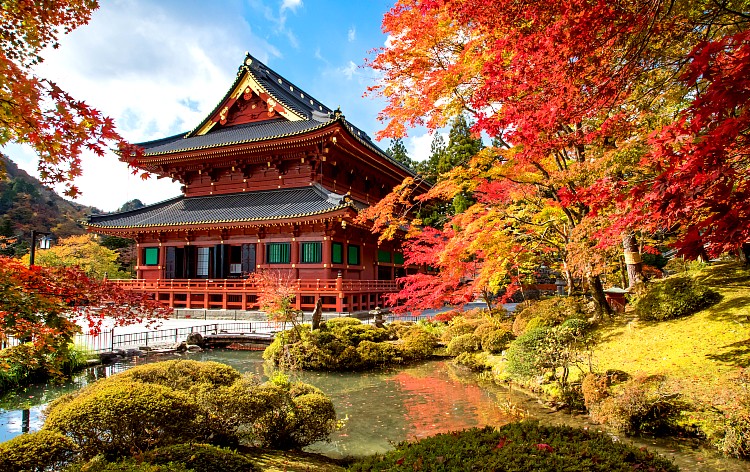
Autumn (mid-October–mid-November) is Nikko’s finest season by most accounts, with brilliant crimson and gold foliage surrounding the shrines and lake. The combination of the ornate Toshogu against autumn color is among the most spectacular sights in Japan. Weekends in peak foliage season (late October) can be very crowded — consider a weekday visit.
Spring (late April–May) brings azaleas and cherry blossoms, and the temperature is ideal for walking. The Yayoi Festival (April 16–17) and Grand Festival of Toshogu (May 17–18) feature elaborate processions of samurai-costumed participants — among Japan’s most theatrical historical re-enactments.
Summer (June–August) is popular for the cool mountain air, which provides welcome relief from Tokyo’s heat. The area around Lake Chuzenji is particularly pleasant.
Winter (December–February) brings snow that transforms the shrine complex into a particularly atmospheric scene, but access to Lake Chuzenji by bus may be restricted in heavy snowfall. The shrine area itself remains open and accessible year-round.
What to Eat in Nikko
Source: rurubu.jp
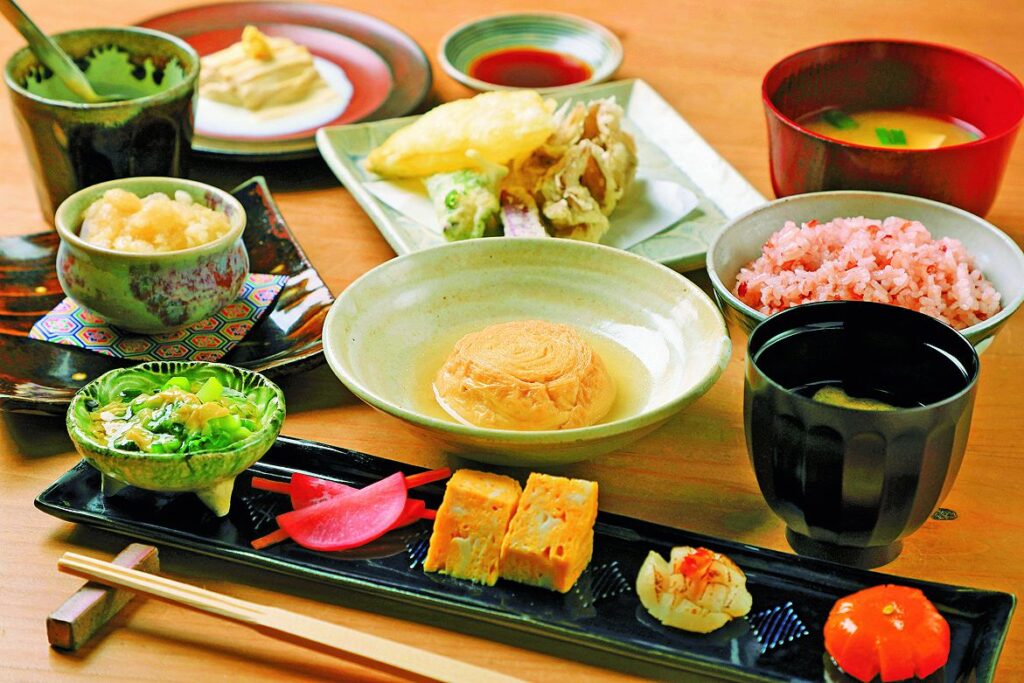
Nikko’s most celebrated local product is yuba — the delicate skin that forms on the surface of heated soy milk during tofu production. Reflecting the area’s Buddhist temple culture, yuba has been a Nikko specialty for centuries and appears across menus in various preparations: served fresh with soy sauce, dried and incorporated into soups, or wrapped around other fillings.
Numerous restaurants along the main approach road to the shrines offer yuba-centered set meals (yuba zen) for ¥1,500–¥3,000 at lunch. Meiji no Yakata, housed in a Meiji-era Western-style building near the shrines, is a particularly atmospheric option serving both Japanese and European-influenced cuisine.
Nikko’s mountain streams also supply excellent fresh river fish, particularly iwana (char) and yamame (stream trout), served grilled on skewers at food stalls near the shrine entrance during peak seasons.
Wi-Fi, eSIM & Staying Connected in Nikko
Mobile coverage in central Nikko and around the main shrine complex is generally adequate. However, signal can become intermittent on the mountain road to Lake Chuzenji and around the lake shore, particularly in forested areas.
We recommend activating an eSIM service such as Ubigi before departure. For Nikko specifically, download offline Google Maps data for both the shrine area and the Chuzenji lake district before leaving your hotel. Bus schedules for the Irohazaka mountain road are particularly important to have offline, as service frequency changes seasonally.
Summary|Planning Your Nikko Trip
Nikko rewards visitors with a combination of Japan’s most ornate religious architecture, spectacular mountain nature, and a sense of historical depth that is rare even within Japan. The contrast between the gilded excess of Toshogu and the silent cedar forests surrounding it is itself one of the most memorable experiences in Japanese travel.
Purchase the Nikko All Area Pass from Asakusa for the best transport value, plan at least one full day (ideally arriving before 9:00 AM to beat group tours at Toshogu), and allocate half a day for the Lake Chuzenji and Kegon Falls area. An overnight stay in a Nikko onsen inn is a worthy upgrade.

コメント