
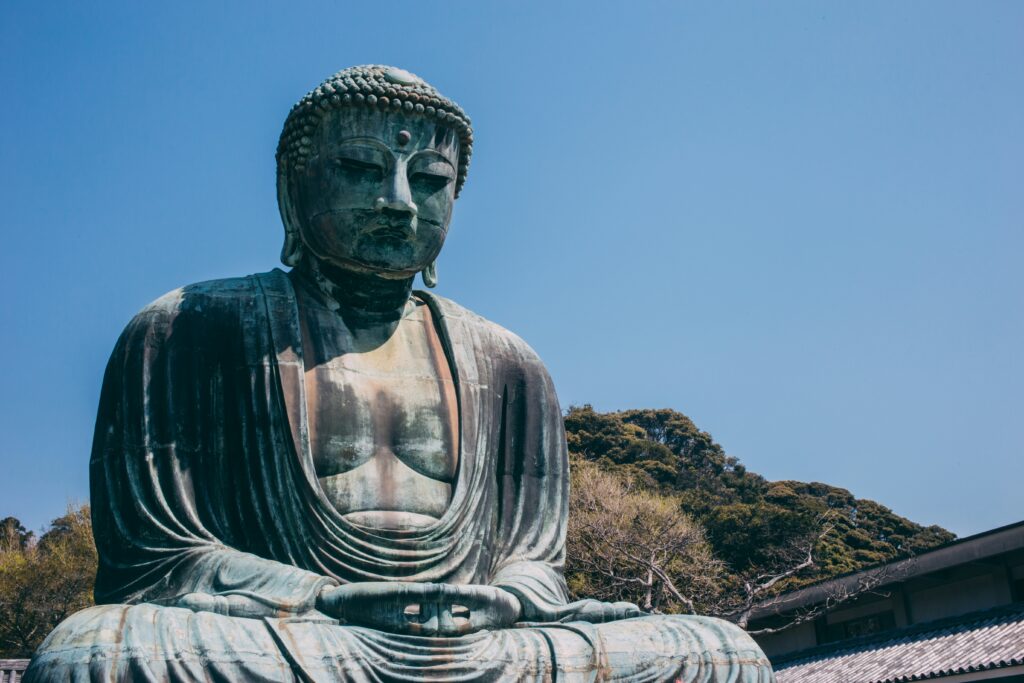
Kamakura, located on the coast of Kanagawa Prefecture just one hour south of Tokyo, is one of Japan’s most rewarding day trips. Once the political capital of Japan during the Kamakura Period (1185–1333), this compact seaside city is packed with historic temples, hiking trails, and laid-back beach culture — all easily walkable or reachable by local rail.
This guide covers everything a first-time visitor needs: how to get there, what to see, where to eat, and practical tips so you can explore Kamakura without any confusion.
Table of Contents
- How to Get to Kamakura from Tokyo
- Top Sightseeing Spots
- Hiking Trails
- Where to Eat — Local Specialties
- Beaches & Coastal Walks
- Best Time to Visit
- Practical Tips for Visitors
- Suggested One-Day Itinerary
How to Get to Kamakura from Tokyo
Kamakura Station — JR Yokosuka Line platform
Kamakura is one of the easiest day trips from Tokyo. There are two main railway routes, both departing from central Tokyo stations.
Option 1 — JR Yokosuka Line (Recommended for JR Pass Holders)
Take the JR Yokosuka Line from Tokyo Station or Shinagawa Station directly to Kamakura Station. The journey takes approximately 55–60 minutes and costs ¥940 (one way). This line is fully covered by the Japan Rail Pass, making it the best-value option for JR Pass holders. No transfers are required — it is a single direct train.
Option 2 — JR Shonan-Shinjuku Line
From Shinjuku Station, Shibuya Station, or Ikebukuro Station, the JR Shonan-Shinjuku Line runs directly to Kamakura. Travel time is approximately 55–60 minutes from Shinjuku. Fare is approximately ¥940. This route is also covered by the Japan Rail Pass and is ideal for travelers staying in western Tokyo.
Kamakura-Enoshima Pass (お得きっぷ)
JR East offers the Kamakura-Enoshima Pass (¥800 from Ofuna / ¥700 from Fujisawa) which provides unlimited rides on the Enoden Line and the Shonan Monorail for one day. This pass is highly recommended if you plan to visit both Kamakura and Enoshima Island in a single day. Purchase it at any JR ticket counter or vending machine at Ofuna or Fujisawa Station.
IC Card Tip
A Suica or Pasmo IC card works on all trains and buses in the Kamakura area. Tap in at the gate — no paper ticket needed. IC cards can be purchased at any JR station in Tokyo (¥500 deposit + charge amount).
Top Sightseeing Spots in Kamakura
Kamakura Daibutsu — the iconic Great Buddha at Kōtoku-in
1. Kōtoku-in — The Great Buddha (鎌倉大仏)
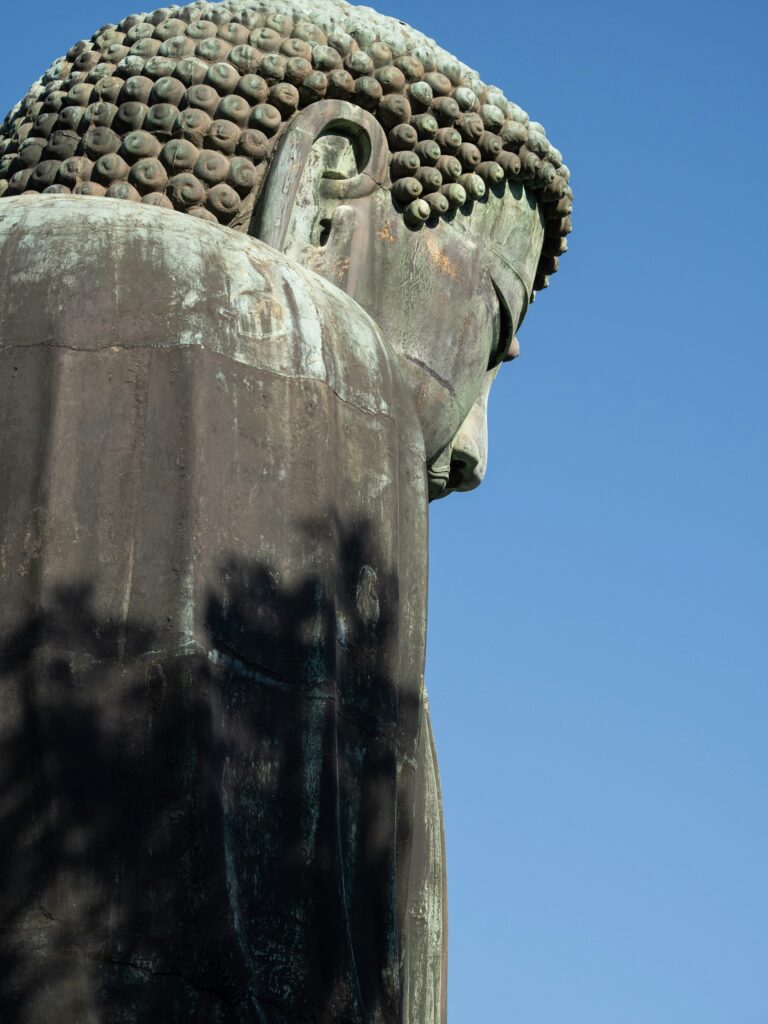
Kōtoku-in is Kamakura’s most iconic landmark — a 13.35-meter-tall bronze statue of Amida Buddha that has sat in the open air since a tsunami destroyed its wooden hall in 1498. For an additional ¥50, you can enter the hollow interior of the statue. The temple grounds are compact and can be toured in 30–45 minutes.
- Hours: 8:00 AM – 5:30 PM (Oct–Mar until 5:00 PM)
- Admission: ¥300 (adults) / ¥150 (children)
- Access: 7-minute walk from Hase Station (Enoden Line)
2. Hase-dera Temple (長谷寺)
Hase-dera is a hillside temple famous for its massive gilded wooden statue of Kannon (Goddess of Mercy) — standing at 9.18 meters, it is one of the largest wooden sculptures in Japan. The temple’s elevated terrace offers a panoramic view of the Shonan coastline and Sagami Bay. In June, the hydrangea garden (あじさい路) with over 2,500 plants is one of Kamakura’s most popular seasonal attractions.
- Hours: 8:00 AM – 5:00 PM (Jul–Aug until 5:30 PM)
- Admission: ¥400 (adults) / ¥200 (children)
- Access: 5-minute walk from Hase Station (Enoden Line)
3. Tsurugaoka Hachimangū Shrine (鶴岡八幡宮)
Tsurugaoka Hachimangū is Kamakura’s most important Shinto shrine, founded in 1063 and later expanded by the first shogun, Minamoto no Yoritomo. The shrine complex sits at the top of a grand staircase flanked by two lotus ponds. The 500-meter-long approach road (Wakamiya Ōji) from the coast to the shrine is lined with cherry trees and is spectacular in early April.
- Hours: 6:00 AM – 9:00 PM (grounds); Museum 8:30 AM – 4:30 PM
- Admission: Free (shrine grounds) / ¥200 (museum)
- Access: 10-minute walk from Kamakura Station (east exit)
4. Hōkoku-ji Temple — Bamboo Temple (報国寺)
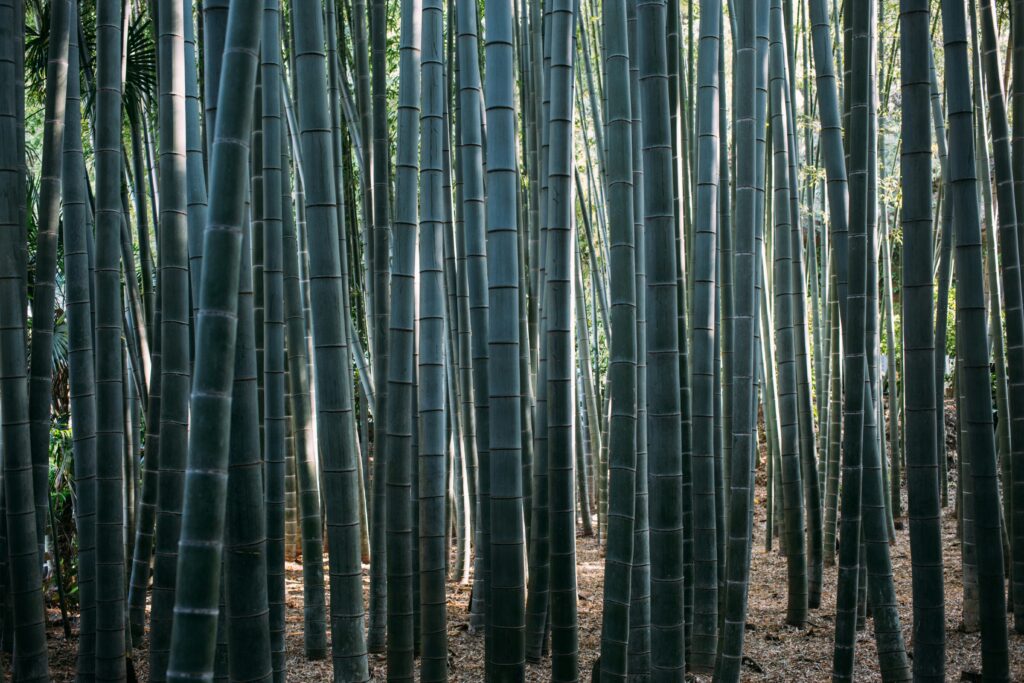
Hōkoku-ji is known as Kamakura’s “Bamboo Temple” — its rear garden contains a serene grove of over 2,000 moso bamboo stalks. After walking through the grove, you can sit in the small tea house and enjoy matcha (¥600 with admission). The atmosphere is markedly quieter and more contemplative than Kamakura’s larger temples.
- Hours: 9:00 AM – 4:00 PM (last entry 3:30 PM)
- Admission: ¥300 (bamboo garden); ¥600 (with matcha)
- Access: Take Bus #5 from Kamakura Station east exit to Jōmyōji bus stop (8 min), then walk 3 minutes. Alternatively, a 25-minute walk from Kamakura Station.
5. Enoshima Island (江の島)
Enoshima is a small island connected to the mainland by a 600-meter bridge, located 20 minutes west of Kamakura by Enoden Line. The island features the Enoshima Shrine, a botanical garden, the Sea Candle observation tower (360-degree ocean views), and the Iwaya Caves carved by wave erosion. On clear days, Mt. Fuji is visible from the island’s west side. The island can be explored in 2–3 hours.
- Access: Enoden Line to Enoshima Station (20 min from Kamakura), then 15-minute walk across the bridge
- Tip: The Enoshima Escar (¥360) is a series of outdoor escalators that save you the steep uphill climb to the shrine and tower
Hiking Trails
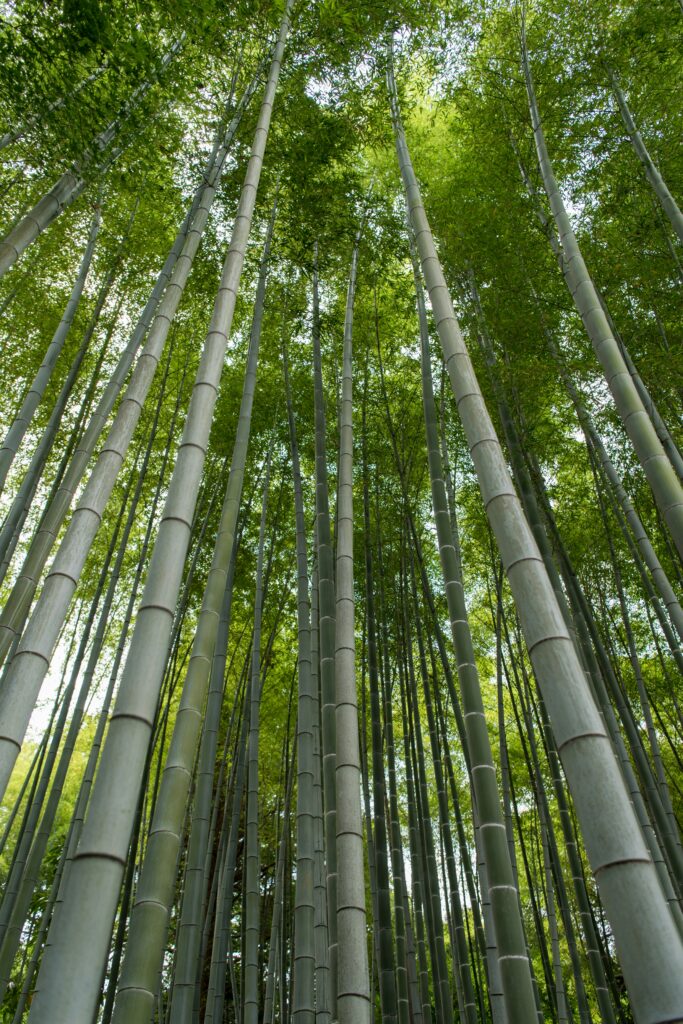
The Daibutsu hiking course winds through quiet forest between North Kamakura and Hase
Daibutsu Hiking Course (大仏ハイキングコース)
This is Kamakura’s most popular hiking trail, running approximately 3 km through forested hillside between Kita-Kamakura Station and the Great Buddha (Kōtoku-in). The trail passes through several small temples and offers occasional views of the surrounding hills. Walking time is approximately 60–90 minutes at a moderate pace. The path includes some uneven terrain and tree roots — wear proper walking shoes.
Ten’en Hiking Course (天園ハイキングコース)
For a longer and less crowded option, the Ten’en Course runs approximately 5.5 km from Kenchō-ji Temple to Zuisen-ji Temple, passing along the ridgeline of the hills behind Kamakura. The trail offers views of Mt. Fuji on clear days and takes approximately 2–3 hours. This route is particularly rewarding in late November when the autumn foliage peaks.
Where to Eat — Local Specialties
Nama-shirasu don (raw whitebait rice bowl) — Kamakura’s signature dish
Shirasu (しらす / Whitebait)
Kamakura’s most famous local food is shirasu — tiny whitebait fish caught fresh from Sagami Bay. You will find it served in three styles: nama-shirasu don (raw on rice), kamaage shirasu don (lightly boiled on rice), and shirasu toast or pizza at cafés. Raw shirasu is seasonal — available roughly from late March to mid-January, with a fishing ban from January 1 to March 10. The area around Komachi-dōri and Enoshima Island both have numerous shirasu restaurants.
Komachi-dōri Street Food (小町通り)
Komachi-dōri is Kamakura’s main shopping and dining street, running from Kamakura Station to Tsurugaoka Hachimangū. It is lined with over 250 shops, cafés, and food stalls. Popular items include:
- Kamakura-bori lacquerware — traditional carved wooden crafts unique to Kamakura
- Warabi-mochi and dango — traditional Japanese sweets sold at multiple stalls
- Croquettes (korokke) — freshly fried at several street-side vendors
- Matcha soft serve — from local tea shops using Kamakura-area green tea
Note: Kamakura has implemented a no-walking-while-eating policy on Komachi-dōri. Please eat at the shop or in designated areas.
Recommended Restaurants
Akimoto (秋本) — Located on Komachi-dōri, this restaurant specializes in shirasu rice bowls and tempura. Lunch sets range from ¥1,200–¥1,800. Expect a line during peak hours (11:30 AM – 1:00 PM).
Bowls (ボウルズ) — A rice bowl specialty shop near Kamakura Station offering shirasu, tuna, and mixed seafood bowls. English menu available. Budget: ¥1,000–¥1,500.
Beaches & Coastal Walks
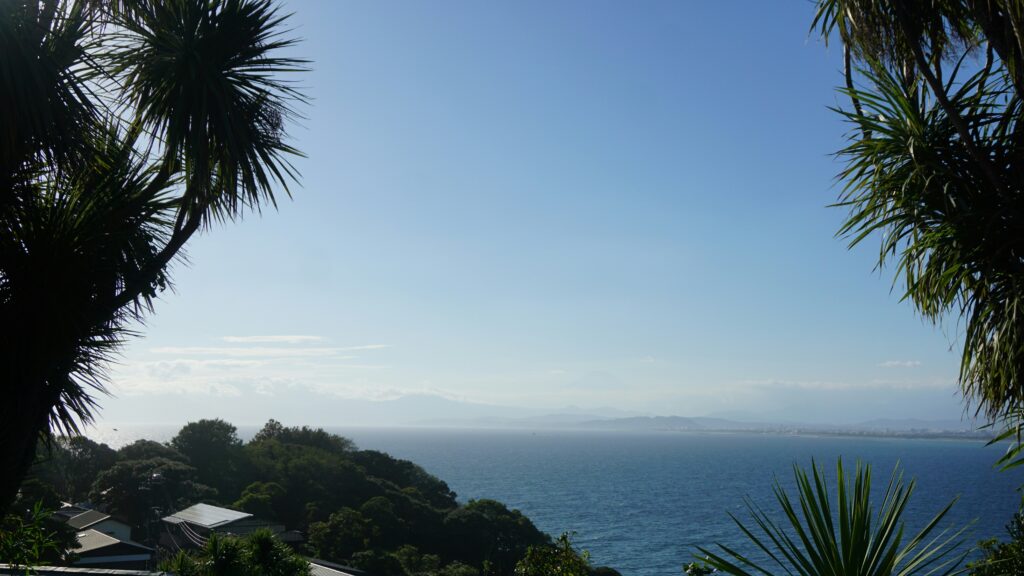
Yuigahama Beach — Kamakura’s main beach with a view of Enoshima in the distance
Kamakura’s coastline stretches along Sagami Bay and includes three main beaches, all accessible on foot or by Enoden Line.
Yuigahama Beach (由比ガ浜)
The most centrally located beach, a 15-minute walk south from Kamakura Station (or one stop on the Enoden to Yuigahama Station). During the official swimming season (early July to late August), beach houses (海の家) set up along the sand offering food, drinks, and rental chairs. Outside of summer, Yuigahama is popular for walking, surfing, and sunset views.
Zaimokuza Beach (材木座海岸)
Adjacent to Yuigahama and slightly less crowded. Known for windsurfing and SUP (stand-up paddleboard). Several rental shops line the road behind the beach.
Inamuragasaki (稲村ヶ崎)
A rocky headland between Kamakura and Enoshima offering one of the area’s best viewpoints. On clear days, the view includes Enoshima Island in the foreground and Mt. Fuji behind it. Sunset here is particularly popular and frequently photographed. Access: Enoden Line to Inamuragasaki Station (3-minute walk).
Best Time to Visit Kamakura
| Season | Period | Highlights | Crowd Level |
|---|---|---|---|
| Spring | Late Mar – Mid Apr | Cherry blossoms along Wakamiya Ōji and temple grounds | 🔴 Very High |
| Hydrangea | Early Jun – Late Jun | Meigetsu-in (“Hydrangea Temple”) and Hase-dera in full bloom | 🔴 Very High |
| Summer | Jul – Aug | Beach season, fireworks festivals, beach houses open | 🟡 High (weekends) |
| Autumn | Late Nov – Early Dec | Autumn foliage at Engaku-ji, Kenchō-ji, and Ten’en trail | 🟡 Moderate–High |
| Winter | Jan – Feb | Fewest crowds, clear skies for Mt. Fuji views, plum blossoms | 🟢 Low |
Recommended: For the best balance of weather and crowd levels, visit in late April–May (after cherry blossom peak) or late October–mid November (early autumn). Both periods offer pleasant temperatures, fewer tourists, and beautiful scenery.
Practical Tips for Visitors
Getting Around Kamakura
Kamakura is compact. Most major temples and Komachi-dōri are within walking distance of Kamakura Station. For the Great Buddha and Hase-dera, take the Enoden Line (a charming single-track tram) two stops to Hase Station. For Hōkoku-ji (Bamboo Temple), use Bus #5 from the east exit of Kamakura Station.
Coin Lockers
Kamakura Station has coin lockers on the east side (near Komachi-dōri exit). Sizes range from small (¥400) to large (¥700). They fill up quickly on weekends — arrive before 10:00 AM if you need to store luggage. Additional lockers are available at Kita-Kamakura Station.
Cash vs. Card
Many smaller temples, street food stalls, and local restaurants in Kamakura are cash-only. Carry at least ¥5,000–¥10,000 in cash for the day. ATMs accepting foreign cards are available at the 7-Eleven near Kamakura Station and the Japan Post Office (5-minute walk east).
Temple Etiquette
- Remove shoes when entering temple interiors (follow signs)
- Photography is generally permitted outdoors but prohibited inside most temple halls
- Speak quietly in temple and shrine grounds
- At shrines: bow twice, clap twice, bow once when praying
Crowds & Timing
Kamakura receives over 20 million visitors per year and can be very crowded on weekends and holidays. If possible, visit on a weekday. Start early — arriving at Kamakura Station by 8:30–9:00 AM gives you a 1–2 hour head start before the major tourist rush. The Enoden Line can become extremely packed on weekend afternoons (expect 20–30 minute waits to board).
Restrooms
Public restrooms are available at Kamakura Station, inside most temple/shrine grounds, and at the beaches. Convenience stores (7-Eleven, Lawson, FamilyMart) also allow restroom use.
Suggested One-Day Itinerary
| Time | Activity | Notes |
|---|---|---|
| 8:30 | Arrive at Kita-Kamakura Station | One stop before Kamakura on JR Yokosuka Line |
| 8:40 | Engaku-ji Temple (円覚寺) | Major Zen temple, 1-minute walk from station. ¥500 |
| 9:30 | Walk or hike to Kenchō-ji (建長寺) | Japan’s oldest Zen training monastery. ¥500 |
| 10:30 | Tsurugaoka Hachimangū Shrine | Kamakura’s central shrine. Free admission |
| 11:30 | Lunch at Komachi-dōri | Shirasu rice bowl + street food. Budget ¥1,500 |
| 12:30 | Enoden to Hase Station | 3 stops, approx. 6 minutes |
| 12:45 | Hase-dera Temple | Ocean-view terrace + Kannon statue. ¥400 |
| 13:45 | Kōtoku-in (Great Buddha) | 7-minute walk from Hase-dera. ¥300 |
| 14:30 | Enoden to Enoshima | 15 minutes from Hase Station |
| 14:50 | Explore Enoshima Island | Shrine, Sea Candle, Iwaya Caves. 2–2.5 hours |
| 17:00 | Sunset at Inamuragasaki or Enoshima | Mt. Fuji visible on clear days |
| 17:30 | Return to Tokyo | Enoden → Kamakura → JR to Tokyo (~60 min) |
Estimated total cost for the day: ¥5,000–¥7,000 per person (transportation + admissions + lunch), excluding shopping.
- QHow do I get to Kamakura from Tokyo?
- A
Take the JR Yokosuka Line from Tokyo or Shinagawa Station directly to Kamakura Station (approximately 55–60 minutes, ¥940, covered by JR Pass). From Shinjuku, the JR Shonan-Shinjuku Line runs direct to Kamakura in about 60 minutes.
- QCan I visit Kamakura and Enoshima in one day?
- A
Yes. Start in Kita-Kamakura for temples in the morning, visit the Great Buddha and Hase-dera after lunch, then take the Enoden to Enoshima for the late afternoon and sunset. The full day requires starting by 8:30 AM.
- QIs Kamakura better than Nikko as a day trip from Tokyo?
- A
Kamakura is closer (1 hour vs. 2 hours), more compact, and offers beaches. Nikko has more ornate shrines and mountain nature. Kamakura is ideal for a relaxed day; Nikko requires more planning. If you only have one day, Kamakura is easier to manage.
Disclaimer: Prices, hours, and transportation details in this guide are based on information available as of 2026. Please check official websites or local tourism offices for the latest information before your visit. Seasonal closures and special events may affect availability.

コメント