
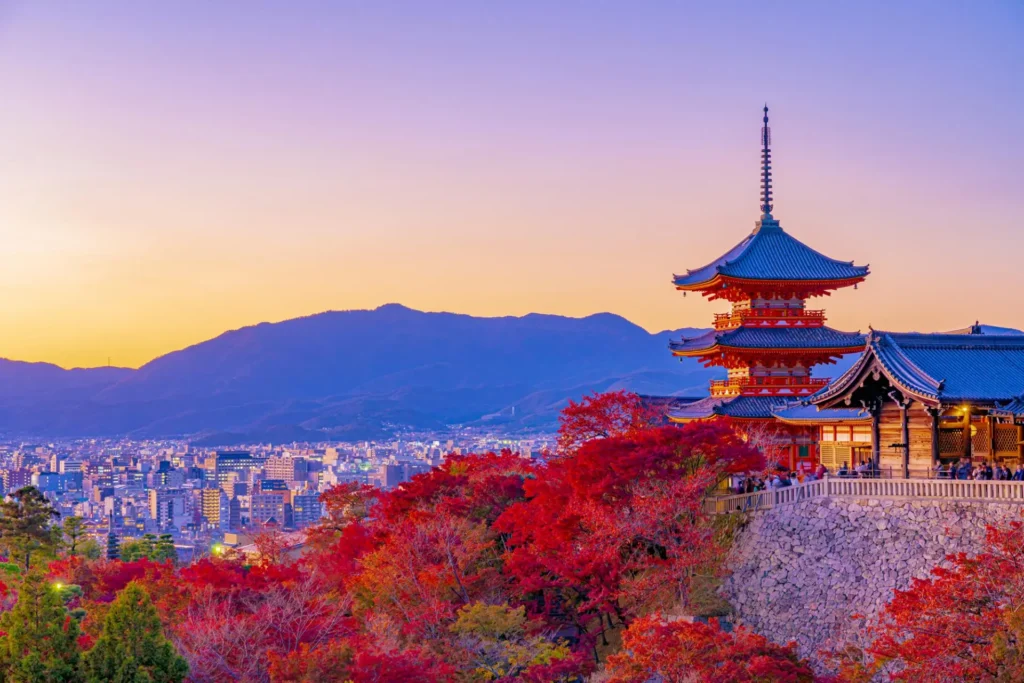
Kyoto, Japan’s ancient imperial capital for over a thousand years, is the country’s single most concentrated destination for traditional culture. With over 1,600 Buddhist temples, 400 Shinto shrines, 17 UNESCO World Heritage Sites, and the last remaining geisha districts in the world, Kyoto offers an depth of cultural experience unmatched anywhere in Japan.
This guide covers everything a first-time foreign visitor needs to know — how to get there, where to go, what to eat, and when to visit. Read through to the end so you can explore Kyoto with complete confidence.
CONTENTS
- How to Get to Kyoto from Tokyo
- Top Sightseeing Spots in Kyoto
- What to Eat in Kyoto|Kaiseki & Local Specialties
- Best Time to Visit Kyoto
- Getting Around Kyoto
- Wi-Fi, eSIM & Staying Connected
- Summary|Preparing for Your Kyoto Trip
How to Get to Kyoto from Tokyo
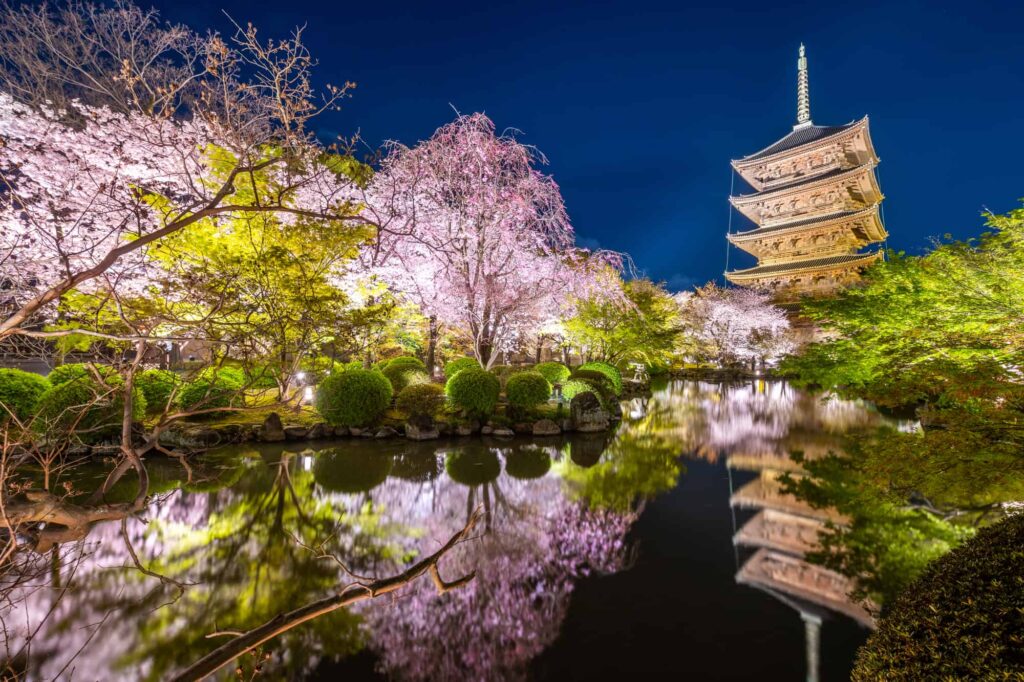
Kyoto is served directly by the Tokaido Shinkansen, making it one of the most accessible major destinations from Tokyo. The journey is fast, comfortable, and straightforward.
Shinkansen (Recommended)
The Nozomi (fastest, not covered by JR Pass) reaches Kyoto from Tokyo Station in approximately 2 hours 15 minutes. The Hikari (JR Pass-compatible) takes approximately 2 hours 40 minutes. Both trains depart from Tokyo Station and arrive at Kyoto Station, which is centrally located. The one-way unreserved fare is approximately ¥13,320; reserved seating is slightly higher.
Japan Rail Pass Note
JR Pass holders must use the Hikari or Kodama services — the Nozomi and Mizuho are excluded. For those planning to also visit Osaka, Hiroshima, or Nara, the JR Pass generally provides strong value over Kyoto alone. Advance seat reservations are strongly recommended during Golden Week (late April–early May) and the autumn foliage season (November).
Top Sightseeing Spots in Kyoto
1. Fushimi Inari Taisha
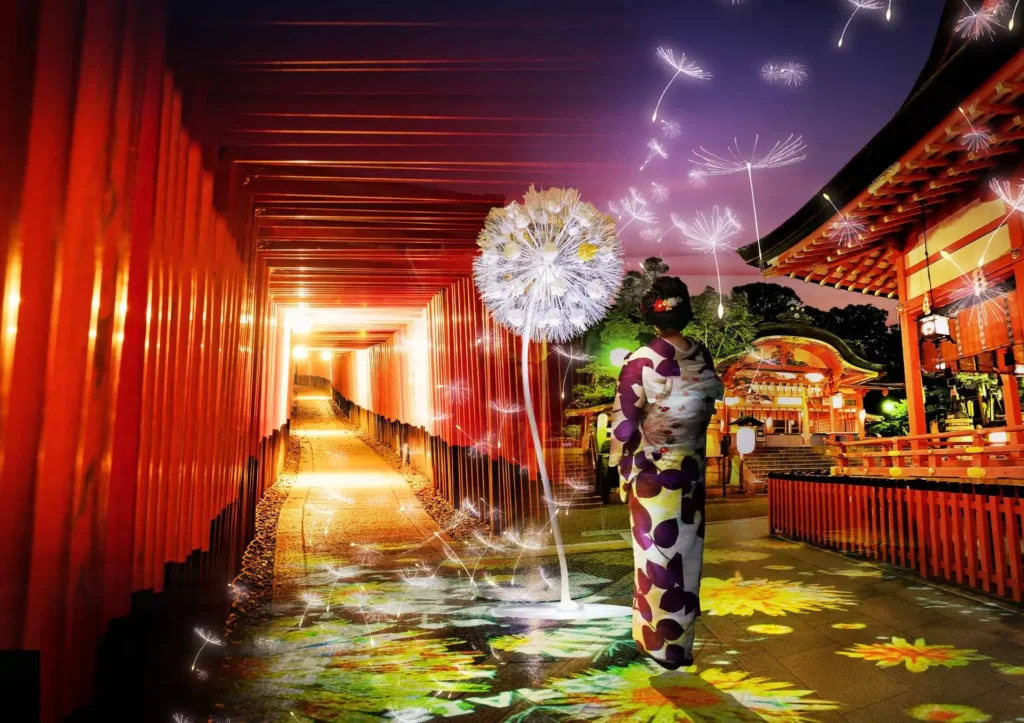
Fushimi Inari Taisha is Kyoto’s most-visited attraction — a vast Shinto shrine complex famous for its thousands of vermilion torii gates winding up the forested hillside of Mount Inari. The full hike to the summit takes approximately 2–3 hours, but the most photogenic sections are within the first 30–45 minutes. Visit before 8:00 AM or after 6:00 PM to avoid peak crowds. Entry is free and the shrine is open 24 hours.
2. Kinkaku-ji (Golden Pavilion)
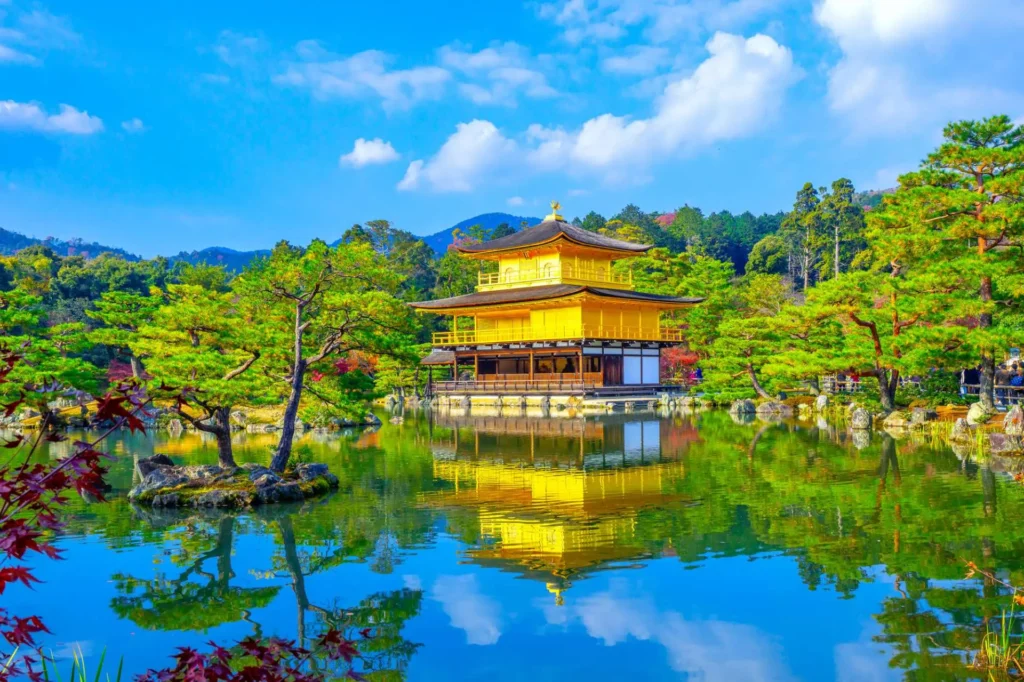
Kinkaku-ji is a Zen Buddhist temple whose top two floors are entirely covered in gold leaf, reflected in the surrounding pond. It is among the most recognizable images in all of Japan. The grounds are compact and can be toured in 30–45 minutes. Admission is ¥500 for adults. Arrive early — by mid-morning the site becomes very crowded, particularly during cherry blossom and autumn foliage seasons.
3. Arashiyama Bamboo Grove
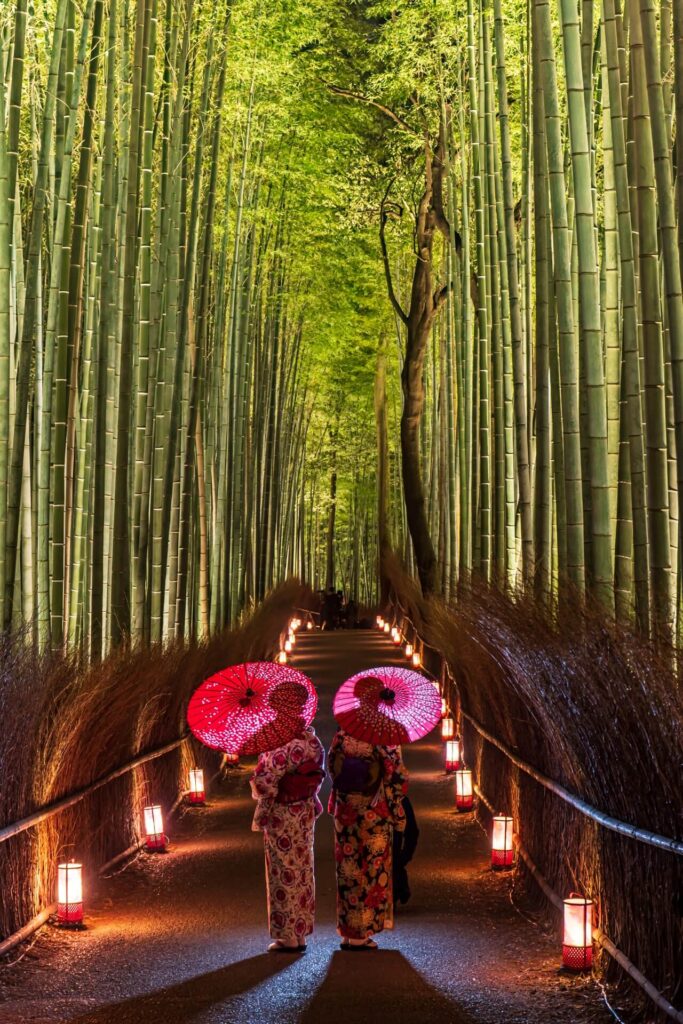
The Arashiyama district in western Kyoto is home to the famous bamboo grove — a narrow path through towering bamboo stalks that creates an otherworldly atmosphere. Adjacent attractions including Tenryu-ji (a UNESCO-listed Zen garden), Togetsukyo Bridge over the Oi River, and Okochi Sanso Villa make Arashiyama a full half-day destination. Access is by JR Sagano Line or Hankyu Arashiyama Line.
4. Gion — Kyoto’s Geisha District
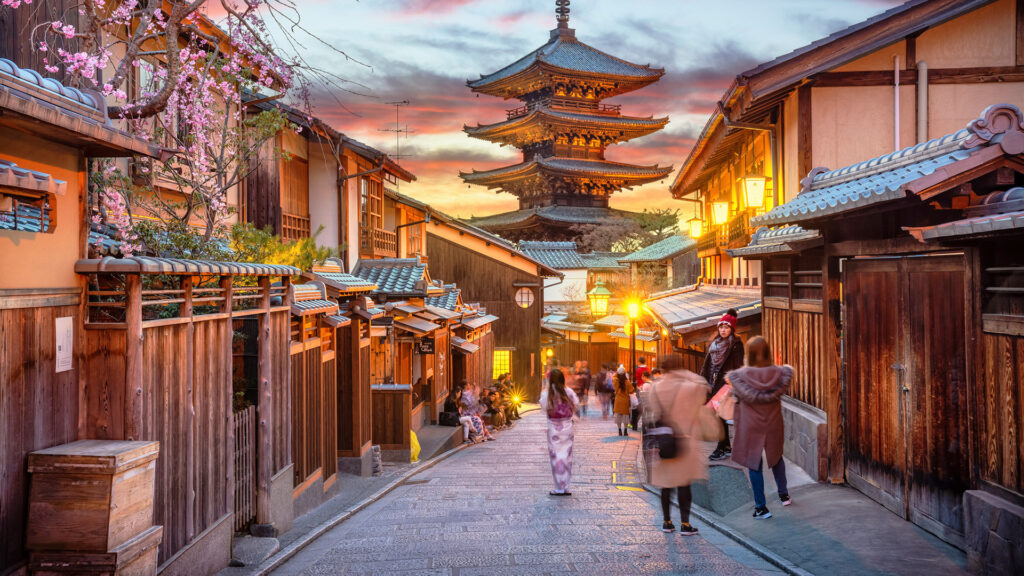
Content reference: LIVE JAPAN.
Gion is Kyoto’s most famous geisha (geiko) district, centered on Hanamikoji Street — a beautifully preserved stretch of 17th-century machiya townhouses housing teahouses, restaurants, and ochaya. The chances of spotting a geiko or maiko (apprentice geisha) are highest in the early evening (5:00–7:00 PM). Please respect the district’s no-photography policy toward individual performers, which is strictly observed by residents and signage throughout the area.
What to Eat in Kyoto|Kaiseki & Local Specialties
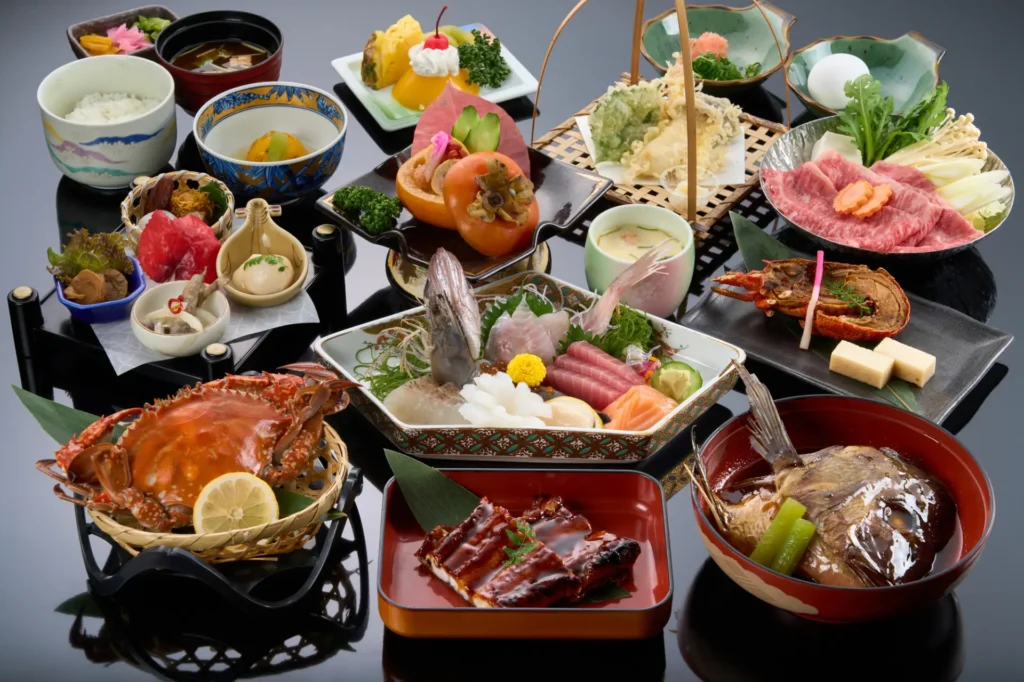
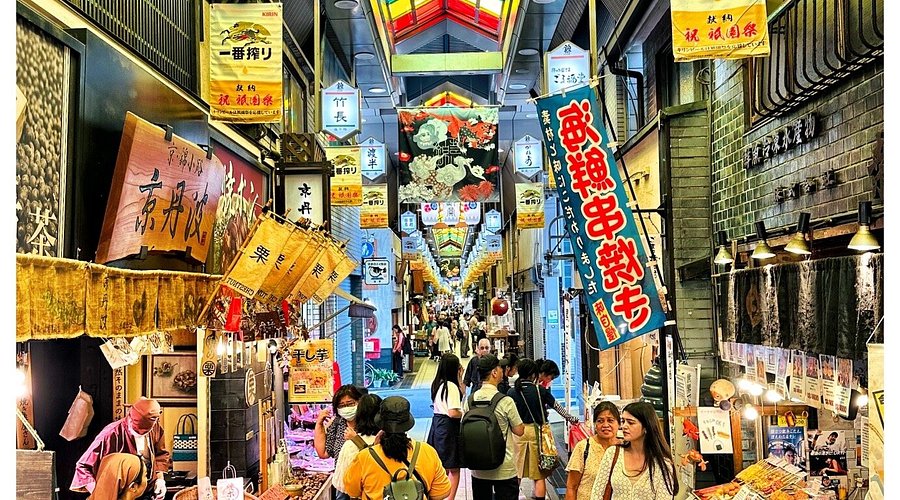
Kyoto’s cuisine reflects its imperial heritage and Buddhist temple culture. The city is the home of kaiseki — Japan’s most refined multi-course dining tradition — as well as a range of more accessible specialties that every visitor should try.
Kaiseki is a seasonally changing multi-course meal rooted in the aesthetics of the tea ceremony, featuring small dishes prepared with extraordinary precision. Entry-level kaiseki lunches start at approximately ¥3,000–¥5,000 at mid-range establishments; dinner at top-tier restaurants can exceed ¥30,000. For a first experience, lunch is the most accessible option.
Obanzai is Kyoto’s home-style Buddhist vegetarian cooking — small dishes of simmered vegetables, tofu, and pickles served in casual settings. Many restaurants near Nishiki Market offer obanzai sets for ¥1,000–¥2,000.
Nishiki Market — nicknamed “Kyoto’s Kitchen” — is a covered arcade stretching nearly 400 meters through central Kyoto, lined with vendors selling pickles, tofu, fresh fish, and street food. It is an essential stop for food-focused visitors. Note that most stalls are cash-only.
Best Time to Visit Kyoto
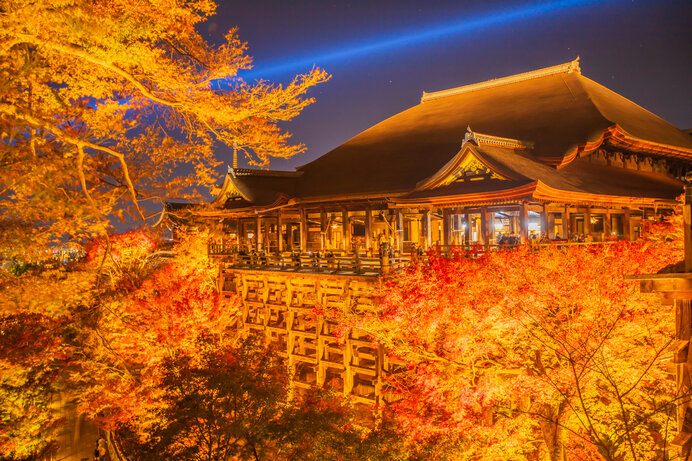
Kyoto is spectacular in every season, but the timing of your visit significantly affects the experience — both in terms of scenery and crowd levels.
Spring (late March–April) brings cherry blossoms, drawing Kyoto’s largest tourist volumes of the year. The scenery at Maruyama Park, Philosopher’s Path, and Arashiyama is breathtaking, but accommodation sells out months in advance and streets can be extremely crowded. Book at least 3–4 months ahead.
Autumn (mid-October–late November) is widely considered Kyoto’s finest season, with maple and ginkgo foliage in brilliant reds, oranges, and yellows across the temple districts. Crowd levels are high but more manageable than cherry blossom season. The Kyoto Autumn Special Temple Openings allow access to normally closed inner gardens.
Summer (June–August) is hot, humid, and often rainy in June, but the city’s major festivals — including the Gion Matsuri (July), one of Japan’s three great festivals — make it worthwhile for cultural travelers. July and August are peak season; book accommodation early.
Winter (December–February) offers low accommodation prices, minimal crowds, and the rare opportunity to see Kyoto’s temples dusted with snow — one of the most visually striking versions of the city. A minimum stay of 3 nights is recommended to cover the key districts without feeling rushed.
Getting Around Kyoto
Kyoto’s sightseeing districts are spread across the city, and understanding the transport options in advance significantly reduces travel friction.
The city bus network is the most flexible option, connecting virtually all major temples and shrines. A 1-day bus pass (¥700) provides unlimited rides and is available from major bus terminals and convenience stores. However, buses can become extremely crowded during peak seasons — allow extra travel time.
The Kyoto City Subway (two lines: Karasuma and Tozai) connects central Kyoto, Kyoto Station, and several major sightseeing corridors efficiently. It is less comprehensive than the bus network but faster and more reliable during busy periods.
Bicycle rental is an excellent option for covering the flat central districts (Gion, Nishiki, Kyoto Imperial Palace area). Many rental shops near Kyoto Station offer day rentals for ¥1,000–¥1,500. Note that the city’s hills make cycling less practical in the northern Arashiyama and Kurama districts.
Wi-Fi, eSIM & Staying Connected in Kyoto
Kyoto’s sightseeing districts are geographically dispersed, and navigating between them — particularly to less-visited temples in the hills — requires reliable access to maps and transit information.
We recommend using an eSIM service such as Ubigi before arriving in Japan. An eSIM activates immediately upon arrival, requires no physical card swap, and allows you to select a data plan suited to your trip length. Coverage in Kyoto’s urban and suburban areas is generally excellent.
Free Wi-Fi is available at Kyoto Station, major tourist information centers, and some convenience stores, but connection quality is inconsistent in temple districts and hillside areas. Reliance on free Wi-Fi alone is not recommended for a city of Kyoto’s complexity.
Summary|Preparing for Your Kyoto Trip
Kyoto rewards preparation more than almost any other destination in Japan. The city’s depth is extraordinary — a week is not too long — but even a 2–3 day visit can be deeply satisfying if the right sites are prioritized and logistics are planned in advance.
Secure accommodation early (especially for spring and autumn), load an eSIM before departure, carry sufficient cash for markets and smaller temples, and plan sightseeing around early morning starts to enjoy the most iconic sites before the crowds arrive.
We recommend reviewing this guide the night before your trip to confirm temple opening hours, check seasonal event schedules, and ensure your transportation pass is appropriate for your itinerary. Kyoto is waiting — and it is unlike anywhere else on earth.

コメント