

Source: GLT Japan
Hiroshima is one of Japan’s most profoundly meaningful travel destinations — a city that transformed itself from the site of history’s most devastating atomic bombing in 1945 into a living symbol of peace, resilience, and reconciliation. Today, Hiroshima is a vibrant, forward-looking city that receives visitors from around the world, complemented by the sacred island of Miyajima — home to the iconic floating torii gate and one of Japan’s most breathtaking landscapes.
This guide covers everything a first-time foreign visitor needs for both Hiroshima and Miyajima, including how to get there, what to see, and what to eat.
CONTENTS
- How to Get to Hiroshima from Tokyo or Osaka
- Top Sightseeing Spots in Hiroshima & Miyajima
- What to Eat in Hiroshima|Okonomiyaki & Oysters
- Best Time to Visit Hiroshima
- Wi-Fi, eSIM & Staying Connected
- Summary|Planning Your Hiroshima & Miyajima Trip
How to Get to Hiroshima from Tokyo or Osaka

Source: Rakuten Travel
Hiroshima is served by the Tokaido–Sanyo Shinkansen, making it easily accessible from both Tokyo and Osaka.
From Tokyo
The Nozomi from Tokyo Station reaches Hiroshima in approximately 4 hours. The Hikari (JR Pass-compatible) takes approximately 4 hours 30 minutes. One-way fare is approximately ¥18,050 (unreserved).
From Osaka (Shin-Osaka)
The Nozomi from Shin-Osaka reaches Hiroshima in approximately 1 hour 20 minutes. The Hikari takes approximately 1 hour 40 minutes. This makes a Hiroshima day trip from Osaka technically feasible, though a minimum overnight stay is recommended to include Miyajima.
Getting to Miyajima
From Hiroshima Station, take the JR Sanyo Line or Hiroshima Electric Railway to Miyajimaguchi (approx. 25 minutes), then board the JR Miyajima Ferry (10 minutes, ¥200 one way; free for JR Pass holders). The island is accessible throughout the day.
Top Sightseeing Spots in Hiroshima & Miyajima
1. Peace Memorial Park & Museum
Source: Hiroshima Peace Tourism
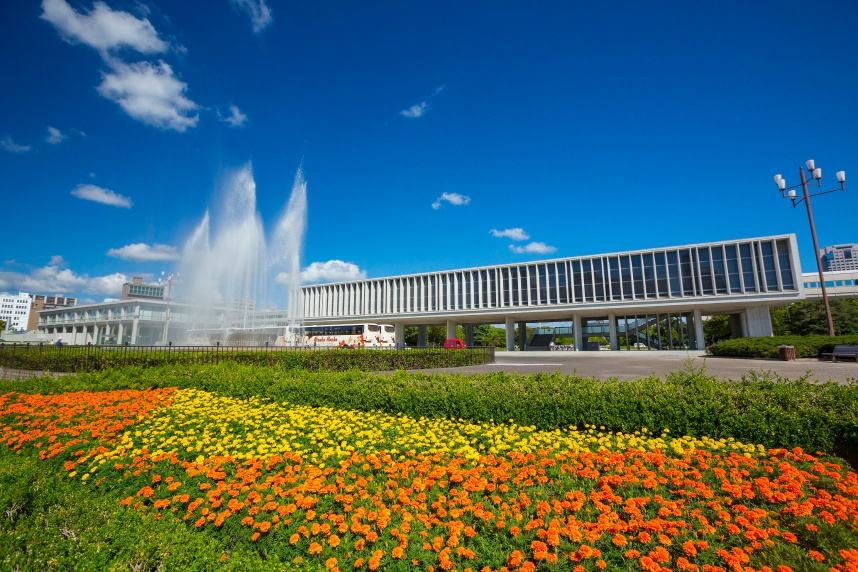
The Hiroshima Peace Memorial Park occupies the hypocenter area of the 1945 atomic bombing and contains the Atomic Bomb Dome (Genbaku Dome) — the only structure near the hypocenter to survive, now a UNESCO World Heritage Site. The adjacent Hiroshima Peace Memorial Museum is one of the world’s most important historical museums, presenting the events of August 6, 1945 through personal testimonies, artifacts, and photography. Allow a minimum of 2–3 hours for the museum. Admission is ¥200 for adults. Many visitors find the experience deeply moving and recommend visiting early in the day.
2. Miyajima Island & Itsukushima Shrine
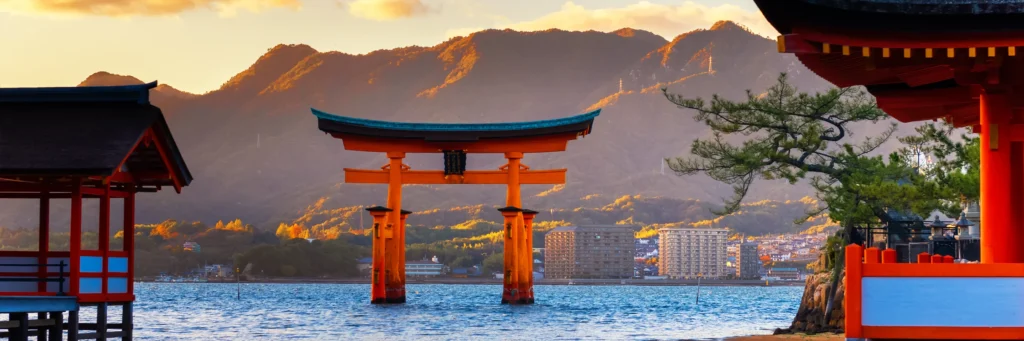
Miyajima (officially Itsukushima) is one of Japan’s most scenic islands, selected as one of the “Three Views of Japan” for centuries. The island’s iconic floating torii gate, which appears to rise from the sea at high tide, is the country’s most photographed image alongside Mount Fuji. The UNESCO-listed Itsukushima Shrine complex extends over the water and is extraordinary at both high and low tide. The island also features deer roaming freely among visitors, a ropeway to Mount Misen (535m), and excellent maple-leaf (momiji) cakes as a local confection. Plan a minimum of 3–4 hours on the island; an overnight stay allows you to experience the serene atmosphere after day-trippers depart.
3. Hiroshima Castle

Hiroshima Castle (originally built 1589, reconstructed 1958) offers panoramic views of the city from its fifth-floor observation deck and houses a museum documenting the castle town’s pre-war history. Admission is ¥370. The castle grounds are also a popular cherry blossom viewing spot in spring.
What to Eat in Hiroshima|Okonomiyaki & Oysters
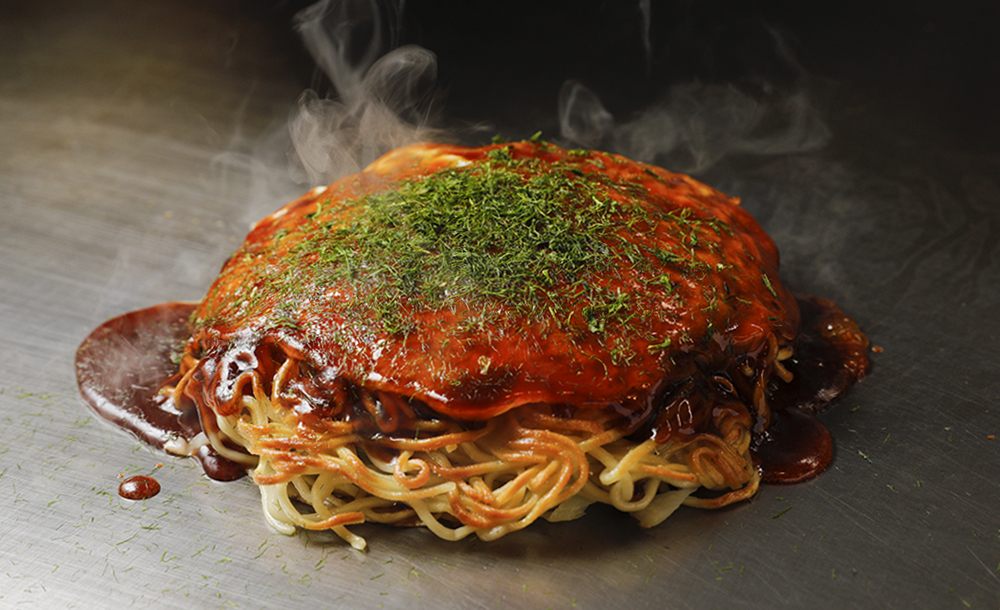
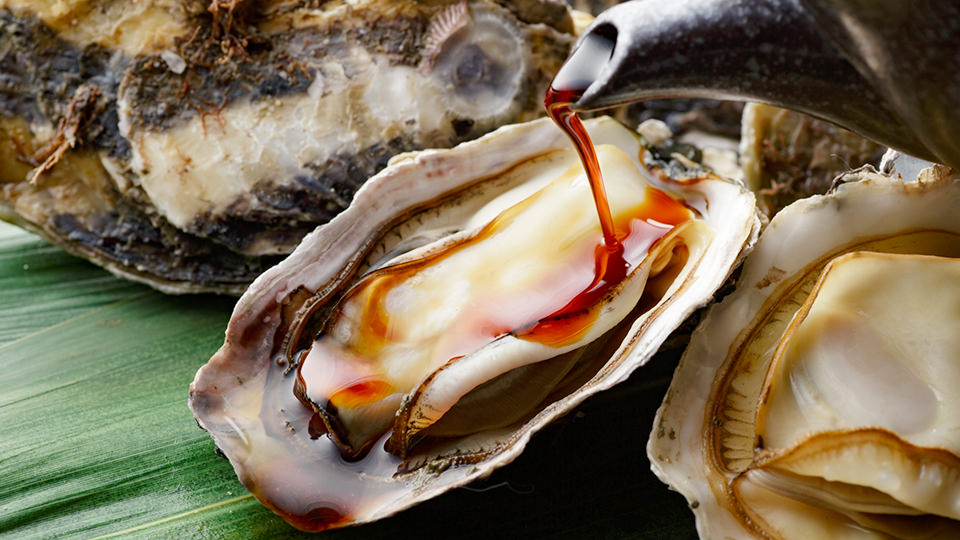
Hiroshima has two iconic local foods that every visitor should prioritize: Hiroshima-style okonomiyaki and Hiroshima oysters.
Hiroshima-style okonomiyaki differs fundamentally from Osaka-style: rather than mixing ingredients into a batter, the Hiroshima version layers thin crepe-batter, cabbage, pork, noodles (yakisoba or udon), and egg in sequence on a flat iron griddle. The result is a more substantial, multi-textured dish. The best place to try it is Okonomimura — a multi-story building in central Hiroshima housing approximately 25 okonomiyaki restaurants, each with its own counter seating. Prices range from ¥900–¥1,300.
Hiroshima oysters account for approximately 60% of Japan’s total oyster production. They are larger and milder than oysters from other regions, and are served grilled, fried (kaki-furai), in hot pot (kaki-nabe), or raw. Oyster season peaks from October through March. Restaurants near the waterfront and around Miyajima specialize in oyster dishes, with grilled oysters (¥300–¥500 per shell) available from outdoor stalls year-round.
Best Time to Visit Hiroshima
Hiroshima’s climate is mild by Japanese standards, making it a viable destination year-round. The key consideration is how seasonal conditions affect the Miyajima experience.
Spring (late March–April) is the most popular season, with cherry blossoms peaking at Hiroshima Castle and Peace Memorial Park and the Miyajima mountainside. Accommodation sells out quickly — book 1–2 months in advance for peak spring dates.
Autumn (October–November) brings vivid maple foliage to Miyajima — considered by many to be the island’s most beautiful season. The combination of red maples, the vermilion torii gate, and the clear autumn light is extraordinary. This is also peak oyster season.
Summer (July–August) is warm and occasionally hot (30–34°C). The annual Kangensai Music Festival on Miyajima (held in July on the lunar calendar, typically August) is one of the most atmospheric events in Japan, featuring court music on boats in the bay.
Winter (December–February) is the quietest period. Snow occasionally dusts the Miyajima mountains, creating striking views. Oysters are at their richest in winter. Accommodation is plentiful and priced at annual lows.
Wi-Fi, eSIM & Staying Connected
A reliable data connection is especially useful for coordinating the Hiroshima–Miyajima itinerary, as the ferry schedules, tide times for the torii gate, and museum reservation windows require real-time information access.
We recommend activating an eSIM service such as Ubigi before arriving in Japan. Coverage on Miyajima Island is generally good in the main visitor areas, though it can be limited on the upper ropeway and hiking trails of Mount Misen. Download offline maps for both Hiroshima city and Miyajima before departing your hotel.
Summary|Planning Your Hiroshima & Miyajima Trip
Hiroshima and Miyajima together form one of Japan’s most complete and emotionally resonant travel itineraries. The contrast between the solemnity of the Peace Memorial and the natural beauty of Miyajima’s sacred island creates an experience that stays with visitors long after they leave.
A minimum of 2 nights is recommended: one day for the Peace Memorial and city, one day for Miyajima with an overnight or early/late visit to experience the island without day-trip crowds. Consider checking the tide schedule for Miyajima before booking — high tide (when the gate appears to float) and low tide (when you can walk to the gate) offer completely different but equally compelling views.
Review this guide before departure, confirm museum opening hours, check ferry schedules, and prepare sufficient cash for oyster stalls and temple entrance fees.

コメント