
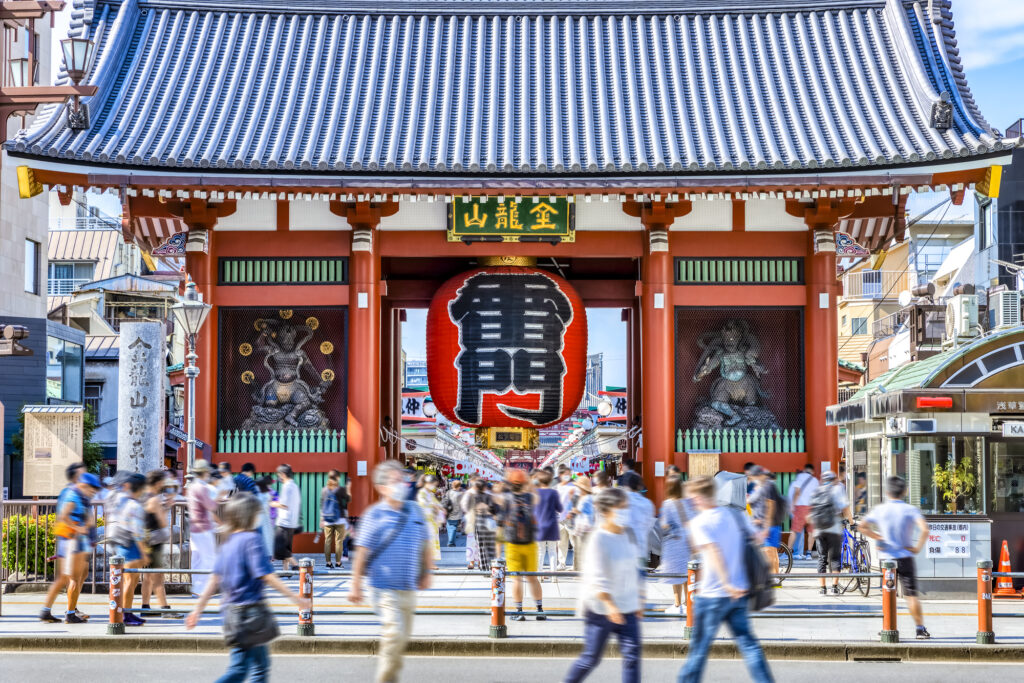
Tokyo — a city of 14 million people, 13 Michelin 3-star restaurants, ancient temples standing beside glass skyscrapers, and a public transport network of extraordinary precision — is unlike any other capital city on earth. For first-time visitors, it can feel overwhelming. In practice, it is one of the safest, most foreigner-friendly, and most rewarding cities in the world to explore.
This guide focuses on Tokyo’s two most essential districts for first-time international visitors: Asakusa (traditional, historic, culturally rich) and Shibuya/Shinjuku (modern, neon, globally iconic), with essential information covering transport, safety, food, and practical tips.
CONTENTS
- How to Get to Tokyo (International Arrivals)
- Essential Districts & Sightseeing Spots
- What to Eat in Tokyo|Ramen, Sushi & More
- Getting Around Tokyo
- Safety, Etiquette & Practical Tips
- Wi-Fi, eSIM & Staying Connected in Tokyo
- Summary|Preparing for Your First Tokyo Visit
How to Get to Tokyo (International Arrivals)
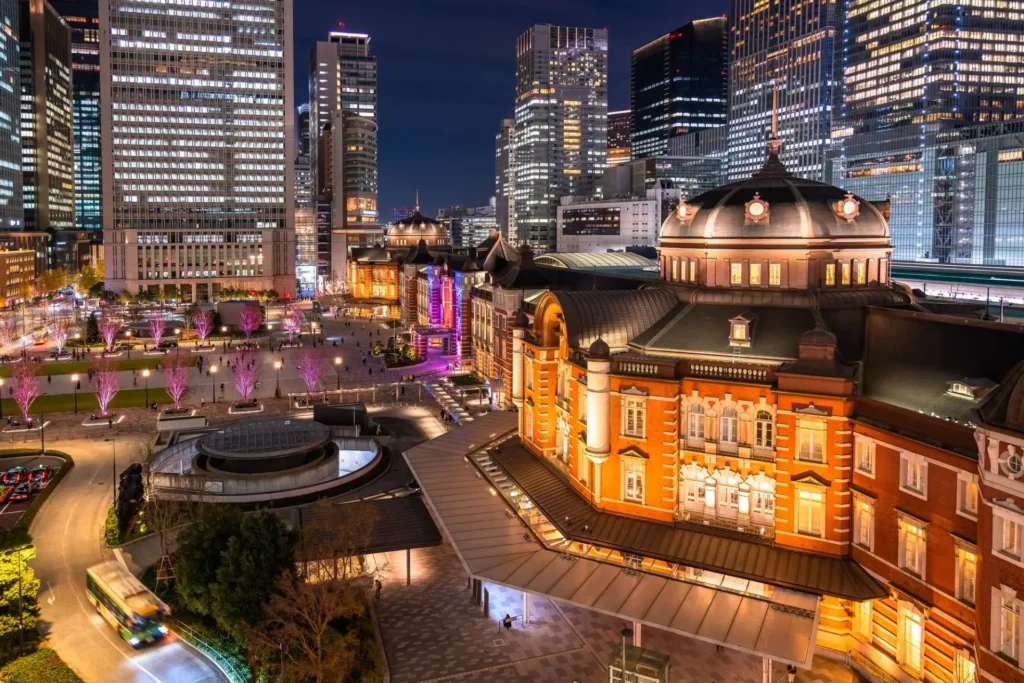
Tokyo is served by two major international airports: Narita International Airport (NRT) and Tokyo Haneda Airport (HND). Haneda is closer to central Tokyo and is increasingly preferred by airlines for international routes.
From Haneda Airport
The Tokyo Monorail connects Haneda to Hamamatsucho Station (central Tokyo) in approximately 13 minutes (¥500). The Keikyu Airport Line connects directly to Shinagawa, Sengakuji, and beyond (approximately 11 minutes to Shinagawa, ¥300–¥600). Both options are fast and frequent.
From Narita Airport
The Narita Express (N’EX) runs from Narita directly to Shinjuku, Shibuya, and Ikebukuro (approximately 60–80 minutes; ¥3,070 to Shinjuku). The Keisei Skyliner connects to Ueno/Nippori (approximately 40 minutes; ¥2,520) — slightly faster if staying in eastern Tokyo. The Keisei Access Express offers a budget option for approximately ¥1,330.
IC card recommendation: Purchase or load an existing Suica or Pasmo IC card at the airport on arrival. These cards work on essentially all Tokyo trains, subways, and buses, and can also be used at convenience stores, many restaurants, and vending machines throughout Japan.
Essential Districts & Sightseeing Spots
1. Asakusa — Ancient Tokyo
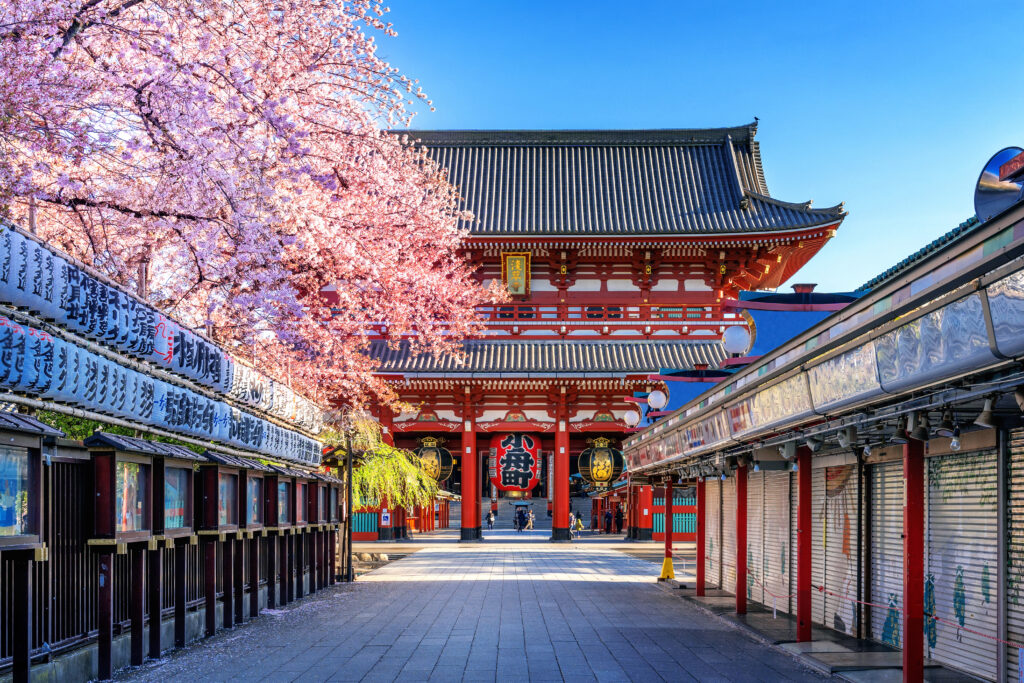
Asakusa is Tokyo’s most historically preserved district and the best introduction to traditional Japanese urban culture for first-time visitors. Senso-ji Temple, founded in 645 AD, is Tokyo’s oldest and most visited temple — approached through the iconic Kaminarimon Thunder Gate and the 250-meter Nakamise shopping street lined with traditional craft and snack vendors. Arrive before 8:30 AM to experience the temple grounds at their most atmospheric. The nearby Asakusa Culture Tourist Information Center offers free Wi-Fi and an observation deck with views toward the Tokyo Skytree. Entry to the temple is free; open 24 hours.
2. Shibuya Crossing & Modern Tokyo
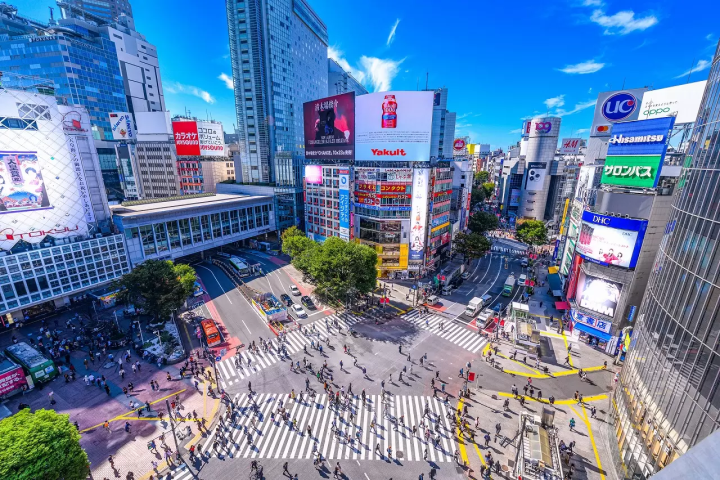
Shibuya Scramble Crossing is the world’s busiest pedestrian crossing and the defining image of modern Tokyo — up to 3,000 people cross simultaneously from all directions when the lights change. The best aerial view is from the Shibuya Sky observation deck on top of Shibuya Scramble Square (¥2,000), or from the free observation windows of the Mag’s Park rooftop at Shibuya 109. The crossing is most spectacular on Friday and Saturday evenings.
3. Shinjuku — Entertainment & Nightlife
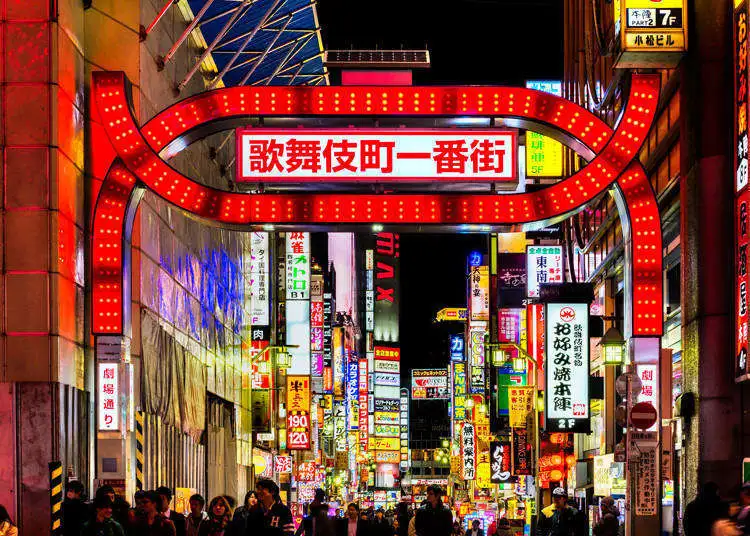
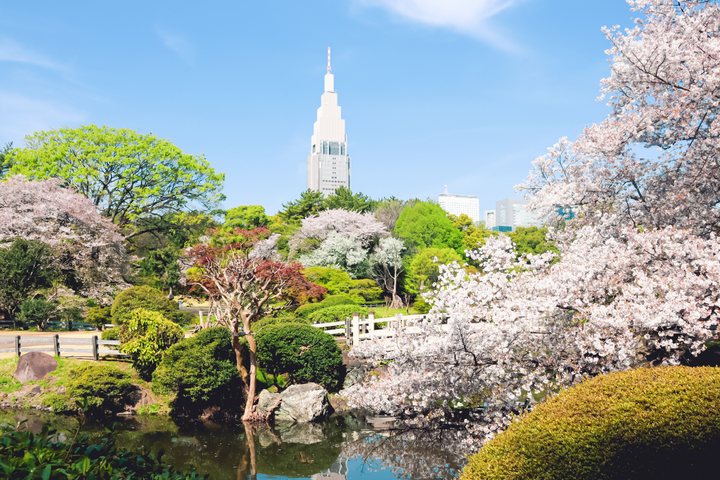
Shinjuku is Tokyo’s busiest and most multifaceted district, containing the world’s busiest train station (3.5 million daily passengers), the neon entertainment district of Kabukicho, the historic Golden Gai (approximately 200 tiny bars in an area the size of a city block), the serene Shinjuku Gyoen National Garden, and the free observation deck of the Tokyo Metropolitan Government Building offering 360° city views. A single day in Shinjuku cannot cover everything — prioritize based on your interests.
4. Akihabara & Harajuku
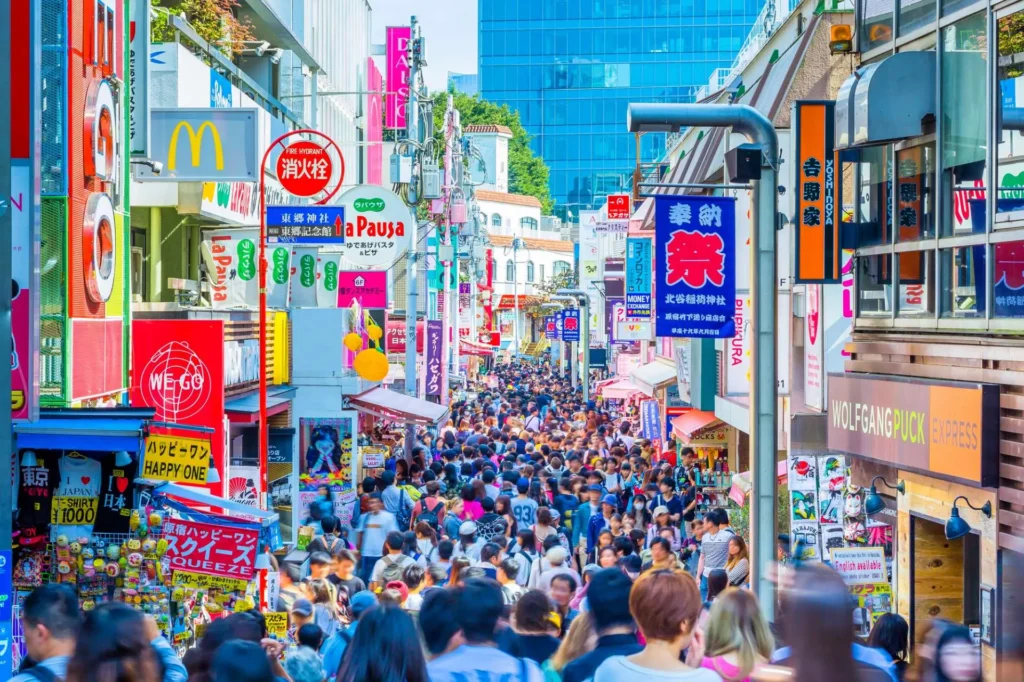
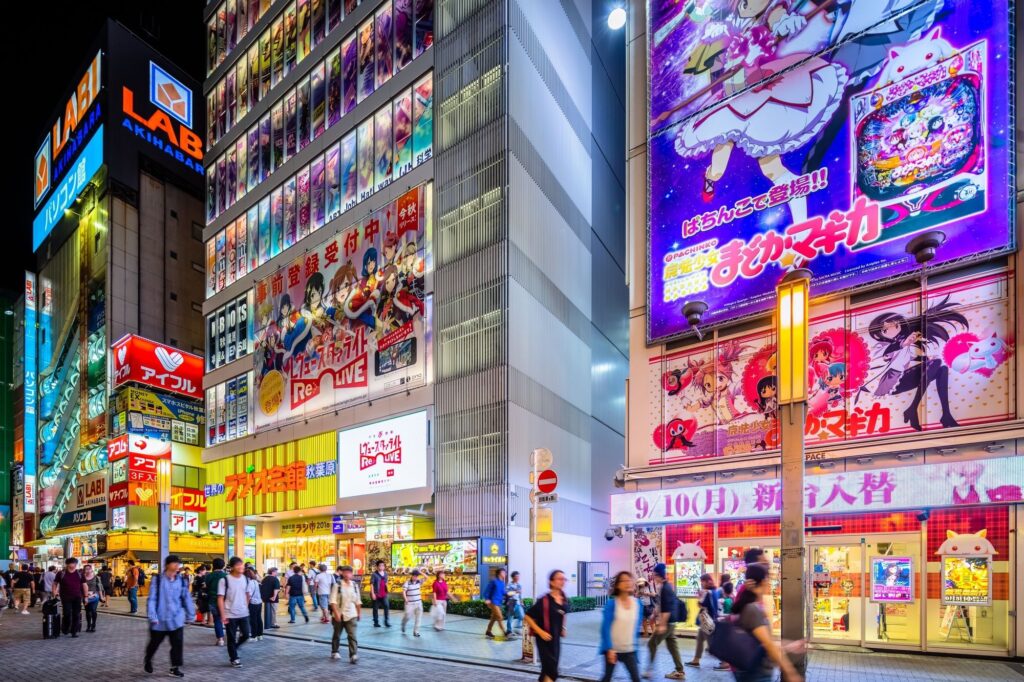
Akihabara (“Electric Town”) is Tokyo’s renowned electronics and anime/manga district — 6-story buildings stacked with video games, figures, trading cards, and electronics. It provides an authentic window into Japan’s otaku (enthusiast) culture and is a fascinating experience even for non-collectors. Harajuku‘s Takeshita Street is the center of Tokyo’s street fashion and youth culture, lined with crepe shops, vintage clothing, and the fashions that define Japan’s international reputation for creative youth style.
What to Eat in Tokyo|Ramen, Sushi & More
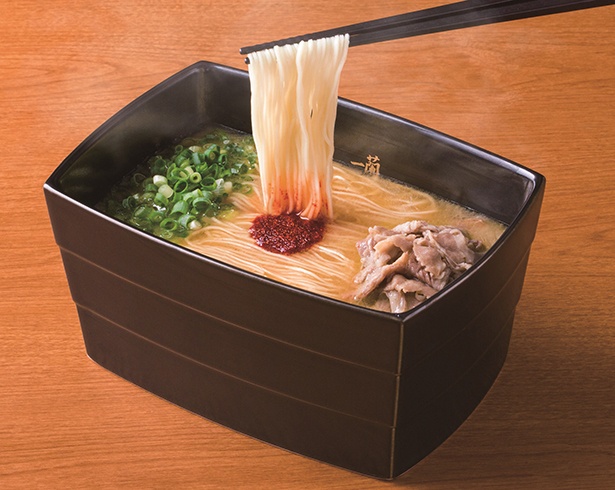
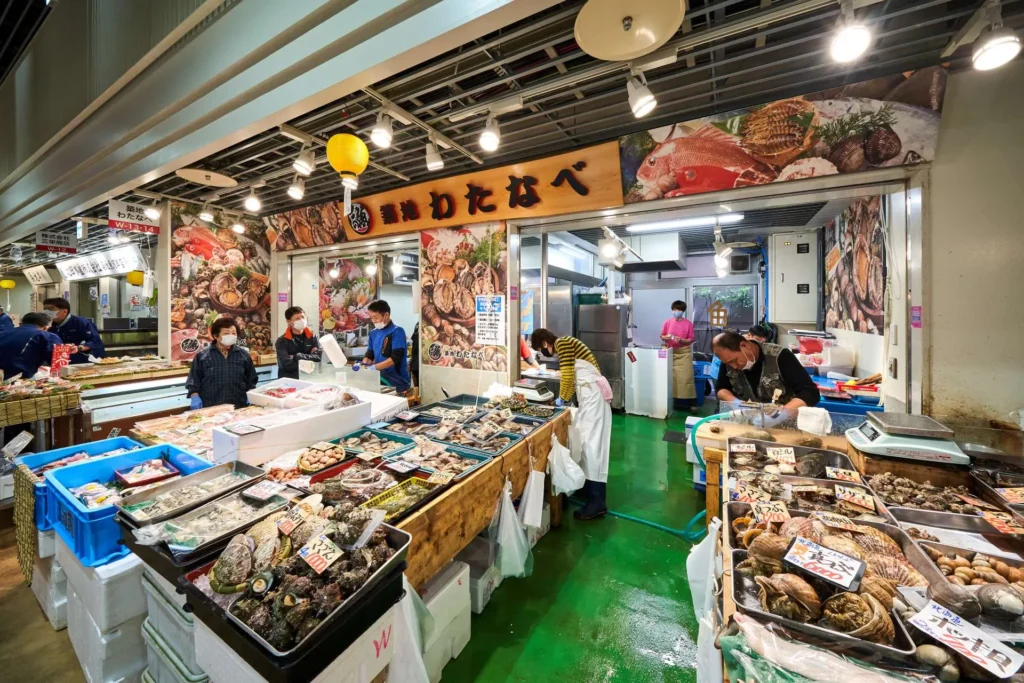
Tokyo has more Michelin-starred restaurants than any other city in the world and a food culture that spans every price range from ¥600 ramen to ¥50,000 tasting menus. First-time visitors should explore across price levels — some of Tokyo’s best food experiences are among the most affordable.
Ramen in Tokyo is typically shoyu (soy sauce) or shio (salt) based — lighter and cleaner than Sapporo’s miso or Fukuoka’s tonkotsu. District specialists include Fuunji (Shinjuku, tsukemen), Ichiran (solo-dining tonkotsu chain, multiple locations), and Afuri (yuzu shio, multiple locations). Budget ¥900–¥1,300.
Sushi ranges from standing sushi bars at ¥100–¥200 per piece to multi-hour omakase experiences at ¥30,000+. For a first experience at intermediate quality, Tsukiji Outer Market (the market itself relocated, but the surrounding food stalls remain) and Kagurazaka offer excellent mid-range options. The best sushi experiences require advance reservation (sometimes months ahead for top omakase counters).
Convenience store food (konbini) — particularly onigiri, sandwiches, hot foods, and seasonal items at 7-Eleven, FamilyMart, and Lawson — is genuinely excellent and often underestimated by first-time visitors. Budget-friendly, available 24 hours, and a distinctly Japanese experience.
Getting Around Tokyo
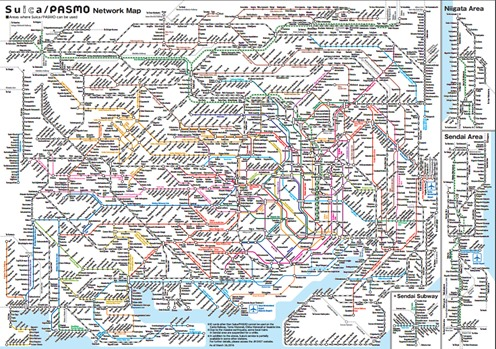
Tokyo’s public transport network is the most extensive, precise, and user-friendly in the world. English signage is comprehensive throughout the system.
The Suica or Pasmo IC card (prepaid, rechargeable) is the single most important tool for navigating Tokyo. Load it at any station or convenience store and tap in/out at every gate — it covers all Tokyo Metro, JR, Toei Subway, and most bus routes with no need to calculate fares in advance.
The Tokyo Metro 24/48/72-hour passes (¥800/¥1,200/¥1,500) provide unlimited rides on all Tokyo Metro lines and offer strong value for heavy sightseers staying in central areas. Note that JR lines (including the Yamanote Loop Line) require separate fares or the JR Pass.
The Yamanote Line (JR, loop line connecting major districts: Shinjuku, Shibuya, Harajuku, Tokyo Station, Ueno, Akihabara) is the most essential single rail line in the city. A Suica card covers all fares on this line.
Trains run from approximately 5:00 AM to midnight–1:00 AM. After the last train, taxis are the primary option — expect significant fares for longer distances (¥2,000–¥5,000 for cross-city trips).
Safety, Etiquette & Practical Tips
Tokyo is one of the safest major cities in the world for visitors. Violent crime is extremely rare and lost property is consistently returned. That said, a few cultural norms are worth knowing in advance.
Train etiquette: Silence mobile phone calls on trains. Speak quietly. Priority seating (silver seats) should be vacated for elderly, pregnant, or disabled passengers. Eating on commuter trains is generally avoided (acceptable on long-distance trains).
Cash: Despite rapid expansion of cashless payments, Tokyo still has many cash-only establishments — smaller restaurants, temple entrance fees, market stalls. Carry ¥5,000–¥10,000 in cash at all times. ATMs at 7-Eleven, Japan Post, and most convenience stores accept foreign-issued cards reliably.
No tipping: Tipping is not practiced in Japan and can cause confusion or offense. Excellent service is the Japanese standard; no gratuity is expected or appropriate.
Shoes: Many traditional restaurants, ryokan, and some cultural sites require removing shoes at the entrance. Wear socks without holes and choose shoes that are easy to slip on and off.
Wi-Fi, eSIM & Staying Connected in Tokyo
A reliable data connection is more critical in Tokyo than almost anywhere else in Japan, given the complexity of the transit system and the need to navigate constantly between unfamiliar districts.
We recommend activating an eSIM service such as Ubigi before arriving in Japan — ideally with enough lead time to ensure activation before your flight. Tokyo has excellent 4G/5G coverage across all transit hubs, shopping districts, and residential areas. Signal is generally strong even underground in subway stations.
Free Wi-Fi is available throughout the Narita and Haneda terminals, at all major JR and Metro stations, and at convenience stores. However, the density of Tokyo’s sightseeing and the frequent need for real-time map navigation make a persistent personal data connection strongly recommended over reliance on free Wi-Fi alone.
Summary|Preparing for Your First Tokyo Visit
Tokyo is the kind of city that immediately exceeds expectations — more ordered, more beautiful, more delicious, and more navigable than most first-time visitors anticipate. The city rewards exploration at every level, from ¥600 ramen to world-class omakase, from Senso-ji at dawn to the neon labyrinths of Shinjuku at midnight.
Arrive with a Suica card loaded, an eSIM activated, and at least ¥10,000 in cash. Prioritize early mornings at Asakusa and Tsukiji, evenings in Shinjuku and Shibuya. Allow a minimum of 5 nights for a first visit — the city’s districts alone could occupy a week. Plan nothing too rigidly; Tokyo’s greatest discoveries are often unscheduled.

コメント