
Traveling in Japan is full of charm, but when you actually visit, it’s not uncommon to feel anxious about things like “Is getting around difficult?”, “Will I be able to communicate?”, and “What should I prepare?”.
This page clearly summarizes everything from basic information to practical tips, so first-time foreign visitors to Japan can enjoy their trip with peace of mind.
We’ve carefully selected essential information you’ll find useful to know beforehand: how to use public transportation, what to do when facing communication challenges, and the truly necessary apps, communication methods, and payment options for traveling in Japan.
To avoid trouble while traveling, we recommend reading through to the end.
- The Complete Guide to Wi-Fi and eSIM
- To avoid language difficulties
- All You Need for Getting Around Japan! Complete Transportation Guide & Essential Apps
The Complete Guide to Wi-Fi and eSIM
When traveling in Japan, securing a stable internet connection is crucial. For first-time foreign visitors to Japan, we recommend using the eSIM service Ubigi. With an eSIM, there’s no need to swap physical SIM cards, and it works immediately upon arrival, providing peace of mind even for short-stay travelers.
Ubigi also allows you to choose a plan based on your length of stay and data needs. They offer affordable plans for short trips, which can sometimes be cheaper than renting a mobile Wi-Fi device.
On the other hand, free Wi-Fi is surprisingly limited in Japan outside of airports and some cafes/hotels. Connections can be unstable in city streets, trains, and tourist spots, making reliance solely on free Wi-Fi risky.
While mobile Wi-Fi offers the advantage of sharing among multiple users, the downside is the need to carry and charge the device, adding to your luggage. Return procedures may also be required, potentially becoming a burden during your trip.
To avoid language difficulties

If you’re unsure about language, using a translation app can provide peace of mind. For travel in Japan, we recommend installing Google Translate or Papago on your smartphone before departure.
Google Translate supports a wide range of languages and offers not only text translation but also voice translation and camera translation. It allows you to instantly read menus and signage, making it useful while traveling or at restaurants. Papago excels at natural Japanese and English expressions, featuring clear translations for short conversations and everyday interactions.
Simply preparing these apps beforehand significantly lowers the language barrier, allowing you to enjoy your trip to Japan with greater peace of mind.
All You Need for Getting Around Japan! Complete Transportation Guide & Essential Apps

When traveling in Japan, efficient transportation significantly impacts your comfort. Here, we introduce apps that help with travel and the popular Japan Rail Pass for visitors.
1. Google Maps
Google Maps is a go-to app for searching train, bus, and walking routes. It lets you check station and route information in English, making it reassuring even for first-time visitors to Japan. You can easily find directions to tourist spots, along with fares and estimated travel times. Its minimal ads and intuitive operation are also appealing features.
2. Japan Transit Planner
Japan Transit Planner is a free app that lets you search train and bus routes throughout Japan. Enter your departure and arrival points to get transfer information, fares, and travel times. It also searches routes compatible with Shinkansen and JR Passes, making it convenient for travelers seeking efficient travel.
While these two apps are sufficient for city travel and short distances, travelers visiting multiple cities in a short period or those using Shinkansen frequently are recommended to use the Japan Rail Pass.
3. Japan Rail Pass
The Japan Rail Pass is a great value pass offering unlimited travel on JR lines nationwide for a set period. It’s especially ideal for travelers wanting to visit multiple cities like Tokyo, Kyoto, Osaka, and Hiroshima in a short time. Choose from 7-day, 14-day, or 21-day passes based on your stay length, allowing you to use it efficiently according to your travel plans. For those making many long-distance trips, the major benefit is significant savings on fares.
Please note that trains in Japan have relatively early last trains, with service ending around 11:00 PM to midnight on many lines. If you plan to travel late at night, it is important to check the last train times in advance and plan your travel accordingly.
Do I Need a Visa to Travel to Japan? The Complete Guide to Entry Rules You Need to Know
When planning a trip to Japan, one thing that’s surprisingly often overlooked is the existence of visas.
While citizens of some countries can enter Japan without a visa, this does not mean all foreigners are visa-exempt. Citizens of many countries can enter Japan without a visa for short-term stays for tourism purposes (typically within 90 days).
However, depending on your country and purpose of travel, you may need to apply for a visa before coming to Japan. If you plan to stay long-term, visit for purposes other than tourism such as work or study, or are from a country not covered by visa exemption, you must obtain a visa beforehand.
“I thought my country was visa-exempt,” “I found out I couldn’t enter after arriving at the airport”
Such troubles are actually quite common. To enjoy your trip to Japan with peace of mind, it’s crucial to confirm whether you need a visa before traveling. We recommend checking the latest information at the Japanese Embassy.
Paying for Your Japan Trip Made Easy|How Much Cash Do You Need?

While credit cards and cashless payments are becoming more widely accepted in Japan, cash is still frequently required in many situations. Cards can be used at convenience stores, large retailers, and hotels, but smaller restaurants, food stalls, regional tourist spots, and temples/shrines may only accept cash.
Therefore, when traveling in Japan, it’s recommended to carry a small amount of cash in addition to cards and transportation IC cards.
Aim to carry around ¥5,000 to ¥10,000 per day. Combining this with your transportation IC card and credit card should cover most standard sightseeing needs. For days spent in regional areas or with more meals, having around ¥10,000 provides extra peace of mind.
Even if you run low on cash, you can often withdraw money from overseas-issued cards at convenience store ATMs, so there’s no need to carry excessively large amounts.
Knowing payment methods in advance will help you enjoy smooth travel and dining in Japan.
When is the best time to visit Japan? How long should you stay?
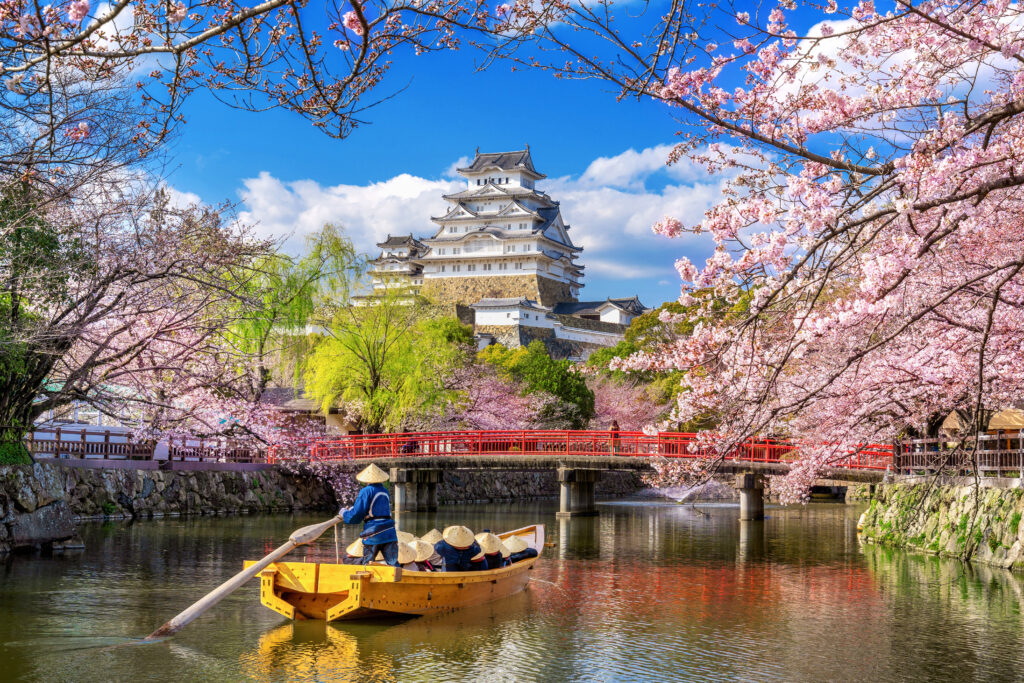
When planning a trip to Japan, one crucial point is “timing.” Here, timing refers to two aspects: choosing the season to visit Japan and deciding how long to stay.
Some travelers take their time exploring during spring whenthe cherry blossoms bloom, while others efficiently tour for a short period during winter when tourist crowds are relatively sparse. Winter brings lower temperatures, but it also offers unique cultural experiences and numerous spots that can be enjoyed regardless of weather or season, such as the year-round teamLab digital art exhibitions in the Kanto region. There is no single “right” or “wrong” choice; the optimal answer depends on your travel purpose, interests, and schedule.
This page provides hints to help you find a Japan travel plan that suits you, considering the characteristics of each season and how to think about the length of your stay.
Summary|Preparing in Advance Makes Your Japan Trip More Comfortable
Traveling in Japan can be surprisingly comfortable and worry-free if you know the basics beforehand.
Securing internet access, knowing how to handle language barriers, understanding transportation and payment methods, and checking visa and travel rules—none of these are difficult, but they can easily cause anxiety if you’re unaware.
By covering the points introduced in this guide, you should significantly reduce any confusion during your first trip to Japan. Then, plan according to your travel style and interests, and fully enjoy Japan’s unique culture, scenery, and cuisine.
To avoid trouble while traveling, we recommend reviewing this page one more time before departure.