
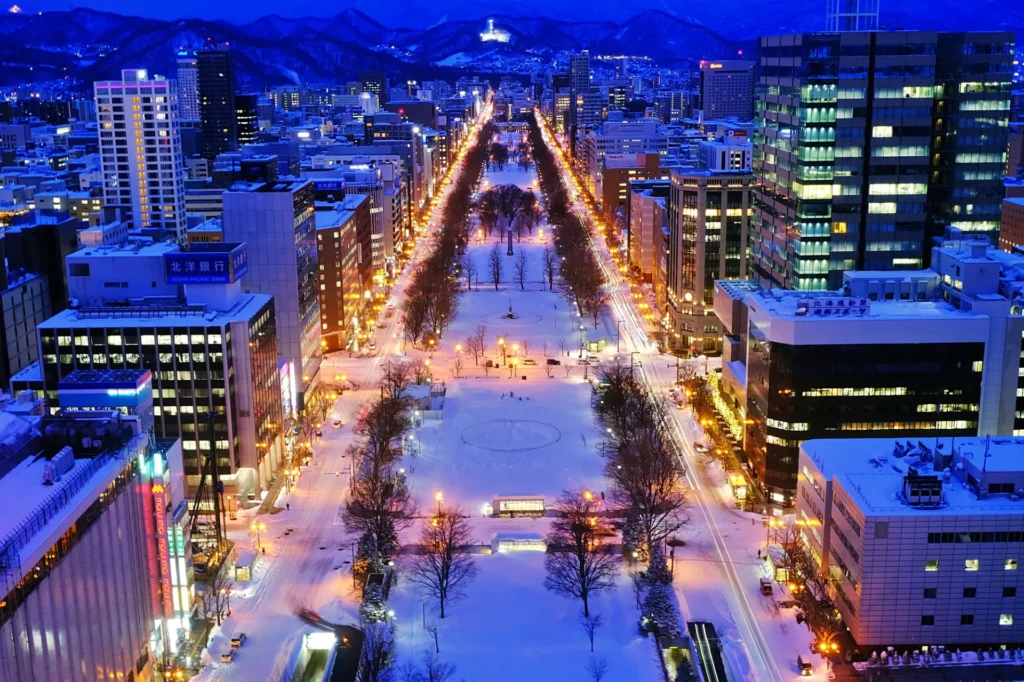
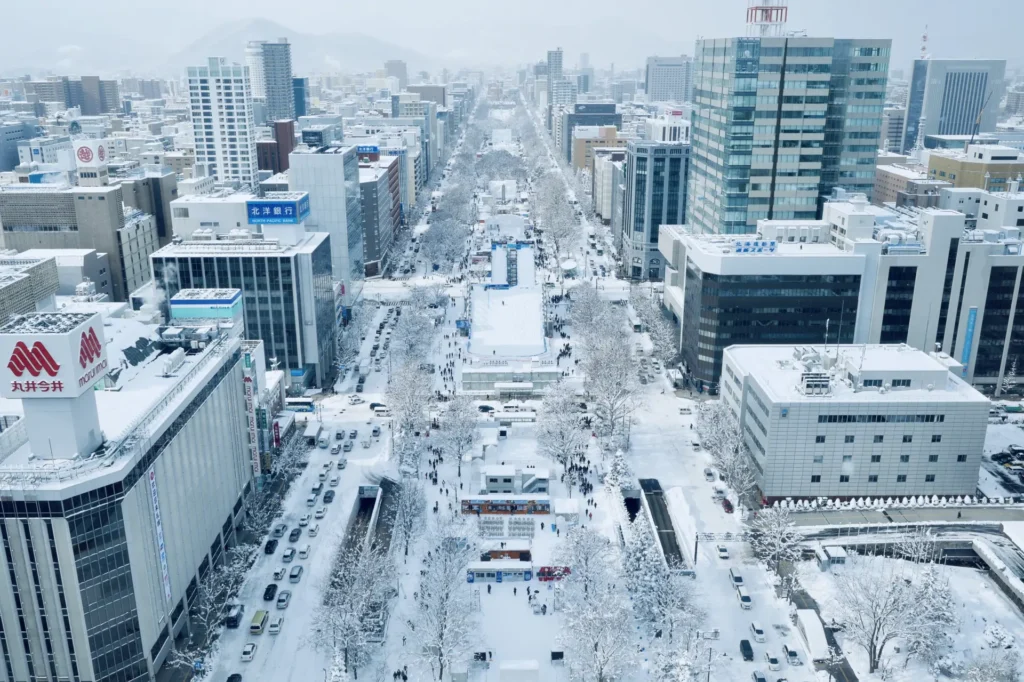
Sapporo, the capital of Hokkaido — Japan’s northernmost and largest island — is a city of extraordinary seasonal contrasts. In winter, it transforms into one of the world’s great snow cities, hosting the iconic Sapporo Snow Festival and providing access to some of Asia’s finest powder skiing at Niseko and Furano. In summer, the city bursts with lavender fields, fresh Hokkaido produce, seafood, and outdoor festivals that showcase Japan’s most dramatic northern nature.
This guide covers everything a first-time foreign visitor needs for Sapporo and the wider Hokkaido experience.
CONTENTS
- How to Get to Sapporo from Tokyo
- Top Sightseeing Spots in Sapporo
- Skiing & Winter Sports Near Sapporo
- What to Eat in Sapporo|Ramen, Crab & Dairy
- Best Time to Visit Sapporo & Hokkaido
- Wi-Fi, eSIM & Staying Connected
- Summary|Planning Your Sapporo & Hokkaido Trip
How to Get to Sapporo from Tokyo
Sapporo is best reached from Tokyo by air or, for those with more time, by overnight ferry.
By Air (Recommended)
Direct flights from Tokyo Haneda to New Chitose Airport (CTS) take approximately 1 hour 40 minutes. Services operate frequently (ANA, JAL, Peach, Air Do, Jetstar Japan) with dozens of daily departures. Booking 1–2 months in advance typically yields competitive fares (¥8,000–¥20,000 one way depending on airline and timing). From New Chitose Airport, the JR Airport Express (Rapid Airport) reaches Sapporo Station in approximately 37 minutes (¥1,150; covered by JR Pass).
By Shinkansen (Future Option)
The Hokkaido Shinkansen currently terminates at Shin-Hakodate-Hokuto, requiring a transfer to a JR limited express to Sapporo (approximately 3.5 hours total from Tokyo). A direct Hokkaido Shinkansen extension to Sapporo is under construction with a planned opening around 2030. For now, flying remains the strongly preferred option for most visitors.
Top Sightseeing Spots in Sapporo
1. Odori Park & TV Tower
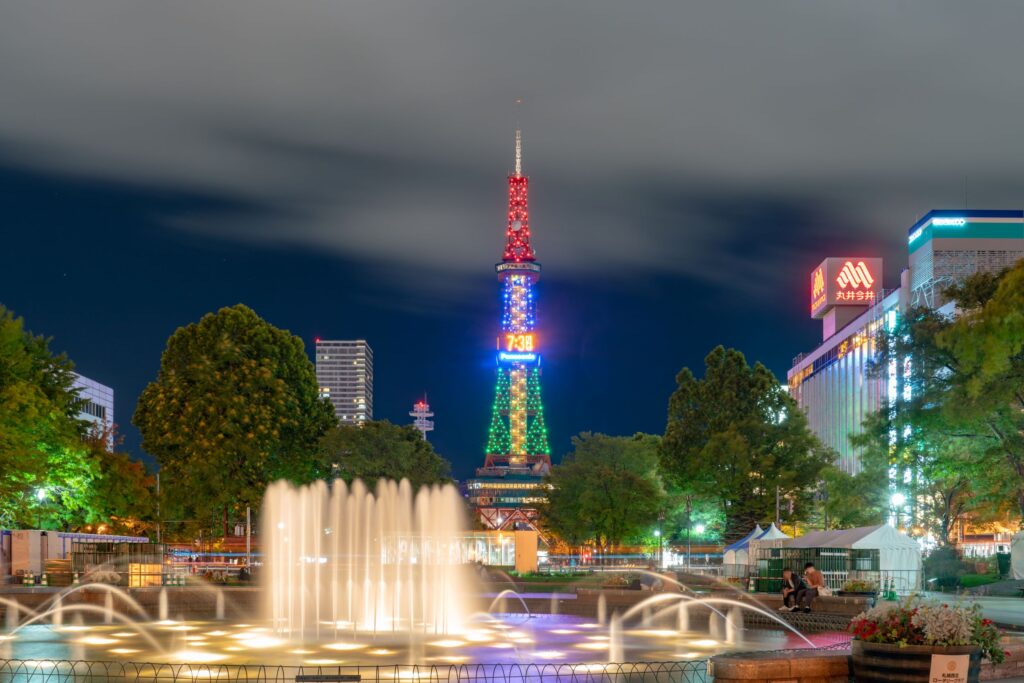
Odori Park is Sapporo’s central green corridor — a 1.5 kilometer park stretching through the heart of the city that serves as the venue for all of Sapporo’s major seasonal events: the Sapporo Snow Festival (February), the Lilac Festival (May), the Summer Festival beer gardens (July–August), and the Autumn Fest food event (September). The Sapporo TV Tower at the park’s eastern end offers views across the city grid to the mountains (observation deck ¥720). The park is the social and geographical heart of the city and worth visiting in any season.
2. Sapporo Beer Museum

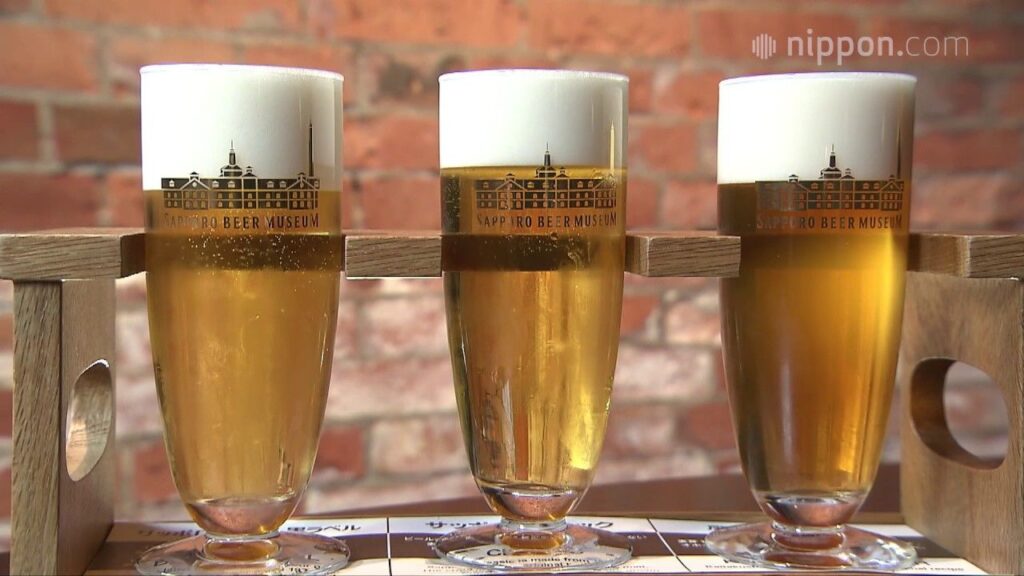
The Sapporo Beer Museum is housed in the original 1890 Sapporo Brewery building — a striking red brick structure that is among Sapporo’s most important architectural landmarks. Free to enter, the museum traces the history of Hokkaido’s beer brewing industry. The adjacent Sapporo Beer Garden is one of Japan’s most famous dining institutions, serving enormous quantities of Sapporo Classic draft beer, Genghis Khan (jingisukan — Hokkaido-style grilled lamb), and fresh Hokkaido seafood in a cavernous, exuberant atmosphere. Reservations are recommended in winter.
3. Hokkaido Shrine & Maruyama Park
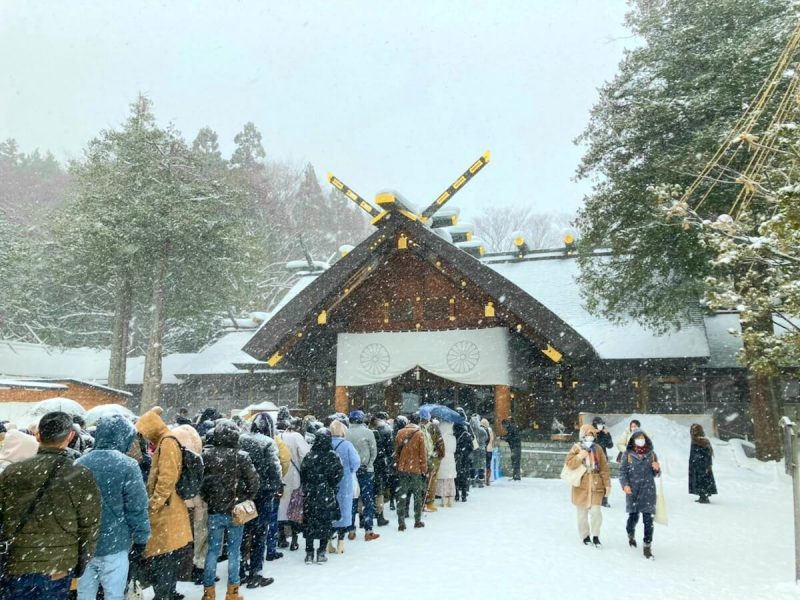
Hokkaido Shrine (Hokkaido Jingu) is Sapporo’s most important Shinto shrine, set within the forested grounds of Maruyama Park in the western residential district. The approach through tall cryptomeria trees creates a serene, cathedral-like atmosphere. Maruyama Park is one of Sapporo’s finest cherry blossom spots in late April and a popular outdoor space year-round. Free to enter; 20 minutes from central Sapporo by subway.
Skiing & Winter Sports Near Sapporo
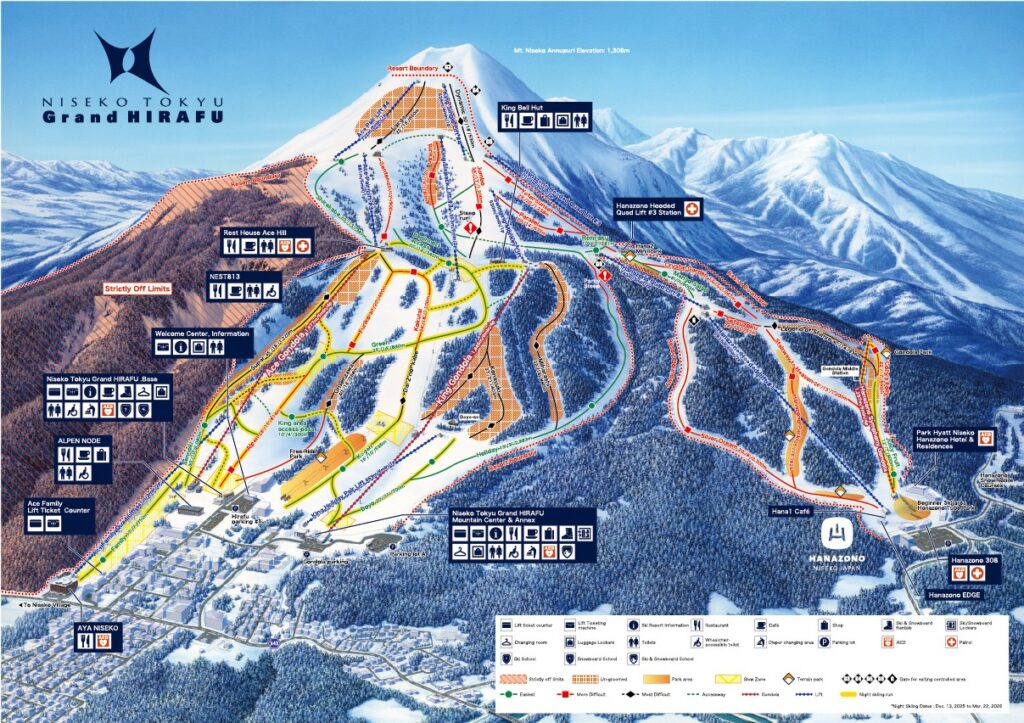
Source: Niseko Tokyu Grand Hirafu Official Website
Hokkaido’s location in a geographic corridor between the Sea of Japan and the North Pacific produces extraordinarily dry, light powder snow — widely regarded as some of the best ski conditions in the world. This has made the region a premier ski destination particularly for visitors from Australia, Southeast Asia, and Europe.
Niseko (approximately 2 hours by bus or train from Sapporo) is the most internationally developed ski resort in Japan, with four interconnected resorts (Grand Hirafu, Niseko Village, Annupuri, Hanazono) and an extensive international dining and accommodation infrastructure. Peak season (January–February) sees heavy demand — book accommodation 3–6 months in advance.
Rusutsu (90 minutes from Sapporo) offers excellent terrain and fewer crowds than Niseko, with one of Japan’s largest resort footprints and family-friendly facilities.
Furano (2 hours from Sapporo by train) is famous for deep powder and a more authentic Japanese ski resort experience, less oriented toward international visitors than Niseko but equally regarded for snow quality.
Sapporo Teine (30 minutes from central Sapporo by bus) offers convenient day skiing directly from the city — ideal for visitors who want a ski experience without committing to a resort town stay.
What to Eat in Sapporo|Ramen, Crab & Dairy
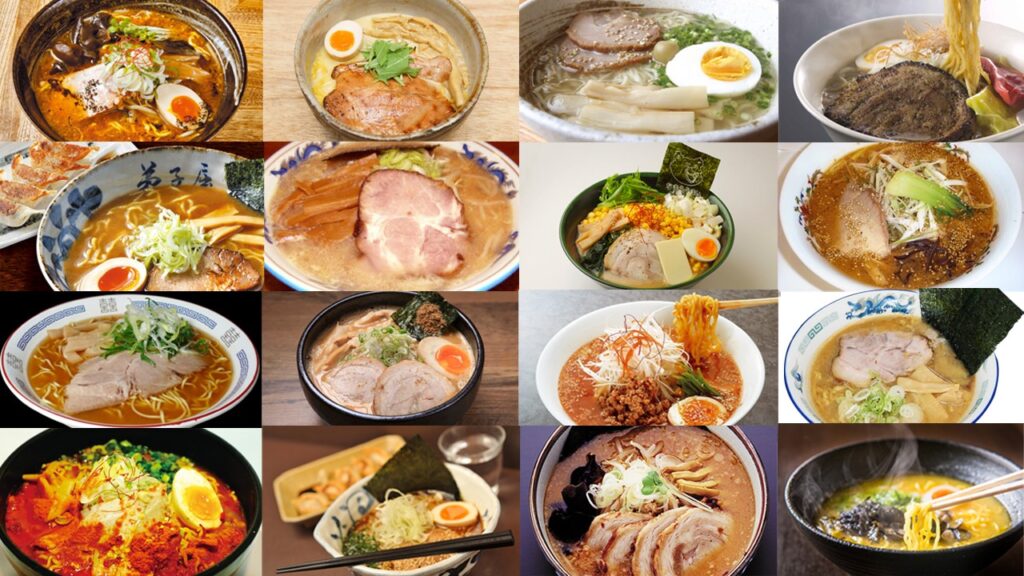
Source: Hokkaido A4JP
Sapporo and Hokkaido have one of Japan’s richest regional food cultures, built on cold-water seafood, exceptional dairy products, and distinct Chinese-influenced noodle traditions.
Sapporo Ramen is Japan’s most famous regional ramen style — a rich miso-based broth, typically served with corn, butter, and bamboo shoots over curly yellow noodles. Sapporo’s Ramen Yokocho (“Ramen Alley”) in Susukino is a narrow lane of approximately 17 small ramen shops that has operated since 1951, and remains the best concentrated introduction to Sapporo’s ramen culture. Budget ¥800–¥1,200 per bowl.
Hokkaido crab — particularly kegani (horsehair crab) and tarabagani (king crab) — is available throughout the city at seafood restaurants and at the Sapporo Central Wholesale Market. Crab season peaks from November through March. A full kegani with miso is approximately ¥3,000–¥5,000 at market restaurants.
Hokkaido dairy products — soft serve ice cream, fresh milk, cream cheese, and butter — are celebrated nationwide for their exceptional quality, fed by Hokkaido’s vast pastureland. Hokkaido soft serve (¥350–¥500) at Odori Park and the airport is among Japan’s finest.
Soup curry originated in Sapporo and has become a local institution — a thin, aromatic curry broth served with large pieces of roasted vegetables and chicken, quite different from standard Japanese curry. There are dozens of specialist soup curry restaurants throughout the city, with prices around ¥1,000–¥1,500.
Best Time to Visit Sapporo & Hokkaido
Sapporo offers two peak travel periods with completely different characters — one in winter, one in summer — making it a destination worth visiting in either season.
Winter (late January–March) is Sapporo’s defining season. The Sapporo Snow Festival (Yuki Matsuri), held over approximately one week in early February, fills Odori Park with dozens of enormous ice and snow sculptures illuminated at night, drawing approximately 2 million visitors. Accommodation books out months in advance during the festival — plan accordingly. January–February also represents the peak of Hokkaido’s ski season, with optimal powder conditions.
Summer (June–August) is Hokkaido’s hidden season — warm, green, and beautiful, with lavender fields at Furano peaking in mid-July, wildflowers across the Daisetsuzan mountains, outdoor beer garden festivals in Sapporo, and exceptional fresh produce and dairy. Humidity is far lower than mainland Japan, making summer significantly more comfortable. This is strongly recommended as an alternative to winter for non-skiers.
Autumn (September–October) brings dramatic foliage to Daisetsuzan National Park — Japan’s earliest autumn colors, typically beginning in late September. This is also fresh crab season and the Sapporo Autumn Fest, one of Japan’s largest outdoor food festivals.
Wi-Fi, eSIM & Staying Connected in Sapporo
Mobile coverage in central Sapporo and most developed areas of Hokkaido is generally reliable. Coverage can become intermittent in remote national park areas, on backcountry ski terrain, and in the more isolated parts of the Daisetsuzan and Shiretoko regions.
We recommend activating an eSIM service such as Ubigi before arriving in Japan. For winter ski visitors, a data connection is essential for checking snow reports, lift status, and shuttle bus schedules for Niseko and other resorts. Download Google Maps offline data for any remote areas you plan to explore before leaving Sapporo.
Summary|Planning Your Sapporo & Hokkaido Trip
Sapporo and Hokkaido offer an experience of Japan that contrasts sharply with the country’s traditional cultural circuit — broader skies, more space, wilder nature, and a food culture built on cold-weather abundance. Whether you come for the Snow Festival and skiing in winter or for Hokkaido’s spectacular summer landscapes, the city and its surrounding island reward repeat visits.
For winter visitors: book early (especially for Snow Festival week), arrange ski resort transfers in advance, and pack appropriately for temperatures that regularly reach -10°C to -15°C in February. For summer visitors: plan transport to Furano (lavender) and Biei (rolling farmland) as a day trip from Sapporo, and allocate time for Daisetsuzan National Park if hiking is of interest.

コメント